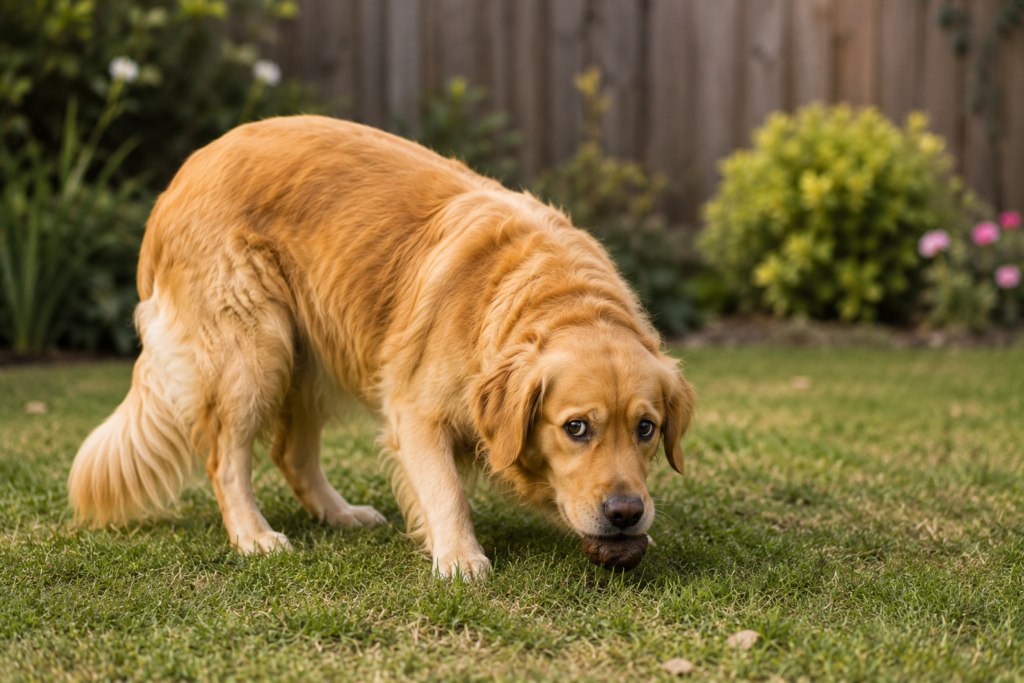
Watching your dog eat poop is one of the most unpleasant things a dog owner can experience. While it may seem disgusting to us, this behavior—known as coprophagia—is actually more common than many people realize.
In many cases, it’s harmless and can be corrected with training and management. However, sometimes it may signal an underlying health or behavioral issue.
1. It’s Normal Puppy Behavior
Puppies often explore the world with their mouths. Some will eat their own stool or another animal’s poop simply out of curiosity.
Most puppies naturally outgrow this habit as they mature and learn appropriate behavior.
2. They’re Looking for Leftover Nutrients
Dogs have an incredible sense of smell. If stool still contains undigested food, some dogs may see it as something worth investigating.
This is more likely if a dog eats too quickly or has difficulty digesting certain foods.
3. Boredom or Lack of Mental Stimulation
Dogs left alone in the yard with little to do may develop unusual habits, including eating poop.
Regular walks, puzzle toys, and interactive games can greatly reduce boredom. If you’re not sure whether your dog is getting enough mental stimulation, read our guide on Signs Your Dog Is Bored.
4. Stress or Anxiety
Some dogs eat stool when they’re anxious or stressed.
Major routine changes, long periods alone, or punishment after accidents may contribute to this behavior. Other stress-related habits, such as digging at bedding before resting, may occur for similar reasons. Learn more in Why Does My Dog Dig on the Bed?
5. They’re Cleaning Their Environment
Mother dogs naturally clean up after newborn puppies by eating their waste to keep the nesting area clean.
Some dogs retain a similar instinct, although it’s much less common in adult pets.
6. An Underlying Medical Condition
Occasionally, coprophagia may be linked to medical issues such as:
- intestinal parasites
- digestive disorders
- nutrient malabsorption
- diabetes
- certain medications that increase appetite
If the behavior begins suddenly or is accompanied by weight loss, vomiting, diarrhea, or excessive hunger, schedule a veterinary examination.
When Should You Be Concerned?
Occasional poop eating isn’t always dangerous, but contact your veterinarian if your dog:
- suddenly starts eating stool after never doing it before
- loses weight despite eating normally
- has vomiting or diarrhea
- seems constantly hungry
- becomes lethargic or unwell
How to Stop Your Dog From Eating Poop
Most dogs improve with consistent management and training.
Try these strategies:
- clean up waste immediately
- reward your dog for ignoring stool
- keep them on a leash during potty breaks if needed
- provide daily exercise and mental stimulation. If you’re wondering how much exercise your dog actually needs, see our guide How Often Should You Walk Your Dog?
- feed a balanced, high-quality diet
- schedule a veterinary check if the behavior continues
Avoid punishing your dog, as this often increases anxiety and may make the behavior worse.
Final Thoughts
Although poop eating is unpleasant, it’s usually a manageable behavior. In many dogs, the habit is linked to curiosity, boredom, or natural instincts rather than serious illness.
With patience, proper training, and veterinary advice when needed, most dogs can successfully stop this behavior.