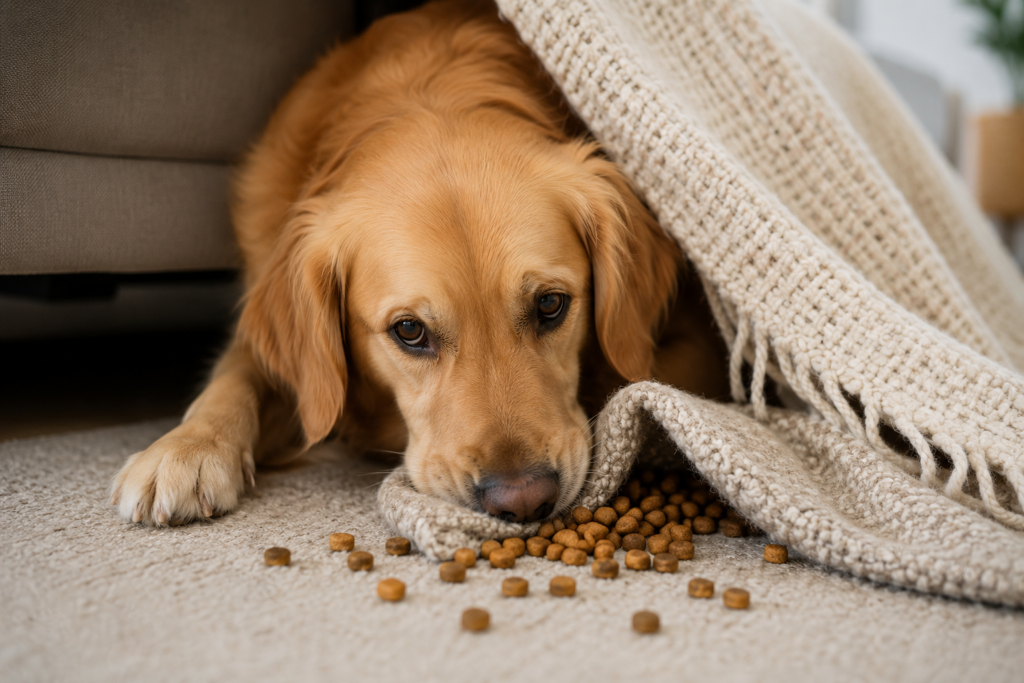
If you’ve ever found dog biscuits hidden under a blanket, behind the couch, or even buried in your backyard, you’re not alone. Many dogs instinctively hide food for later, even when they have a full bowl available every day.
In most cases, this behavior is completely normal. It comes from instincts passed down from wild ancestors that needed to store extra food for times when meals were scarce. Understanding why your dog buries food can help you decide whether it’s simply a quirky habit or something that deserves a closer look.
Natural Survival Instinct
Dogs descended from wolves and other wild canines that couldn’t predict when their next meal would come. If they had more food than they could eat, they often buried or hid the leftovers to protect them from other animals.
Even though modern dogs live comfortably in our homes, many still have this instinct. Some breeds seem more likely to display food-caching behavior than others.
Dogs express their natural instincts in many different ways. If your dog also shows unusual outdoor behaviors, you might be interested in learning Why Does My Dog Eat Dirt?
Your Dog Isn’t Hungry Right Now
Sometimes the explanation is simple.
If your dog receives large meals, plenty of treats, or free-feeds throughout the day, they may decide to save part of their food for later instead of eating it immediately.
They Consider the Food Valuable
Dogs often hide things they consider valuable.
Besides food, they may also hide:
- favorite toys
- chew bones
- treats
- blankets
- even socks or shoes
It’s simply their way of protecting something they don’t want to lose.
Dogs often protect items they value the most. If your dog also carries toys around the house or leaves them at your feet, you may also enjoy reading Why Does My Dog Bring Me Toys?
Competition With Other Pets
Dogs living with other dogs or even cats sometimes hide food because they worry another pet might steal it.
This behavior can happen even if no one has ever actually taken their food.
Stress or Changes at Home
Major life changes can sometimes trigger food-hiding behavior.
Examples include:
- moving house
- a new family member
- another pet joining the household
- changes in routine
Some dogs respond by storing food because it helps them feel more secure.
Certain Breeds Are More Likely to Hide Food
Some breeds naturally enjoy digging and caching.
Examples include:
- Dachshunds
- Terriers
- Beagles
- Huskies
These breeds may hide food more often simply because of their natural instincts.
Should You Stop Your Dog?
Usually, no.
If your dog is healthy, eating enough, and simply hides an occasional treat, there’s usually nothing to worry about.
However, you should speak with your veterinarian if your dog:
- suddenly stops eating
- hides every meal
- loses weight
- seems anxious around food
- shows other unusual behaviors
How to Reduce Food-Hiding Behavior
If you’d like to discourage the habit, try:
- feeding slightly smaller portions more often
- removing uneaten food after 15–20 minutes
- providing regular mental enrichment. If your dog seems to hide food out of boredom, our guide on Signs Your Dog Is Bored can help you recognize other common behaviors.
- keeping a consistent feeding schedule
- avoiding excessive treats between meals
Many dogs gradually stop hiding food once they feel confident that meals will always be available.
Final Thoughts
Finding hidden dog biscuits around the house can be amusing, but in most cases it’s simply your dog’s natural survival instinct at work. As long as your dog maintains a healthy appetite and shows no signs of illness, burying food is usually just another fascinating canine behavior that has survived through generations.
Disclaimer: This article is for informational purposes only and is not a substitute for professional veterinary advice. If your dog shows unusual eating habits, persistent appetite changes, or other concerning symptoms, consult your veterinarian.