It’s not always easy to tell when a dog has gained a little too much weight. When you see your dog every day, gradual changes can be surprisingly difficult to notice.
A few extra pounds might not seem like much, but excess weight can put additional strain on your dog’s joints and make everyday activities more difficult.
So, how can you tell if your dog is overweight?
There are several simple things you can check at home, including your dog’s ribs, waist, body shape, and activity level.
What Is a Healthy Weight for a Dog?
There isn’t one ideal weight that works for every dog.
Healthy weight depends on several factors, including:
- Breed
- Age
- Sex
- Body structure
- Muscle mass
- Activity level
Two dogs of the same breed can even have different healthy weights.
That’s why looking at your dog’s body condition can often tell you more than the number on the scale.
1. Check Your Dog’s Ribs
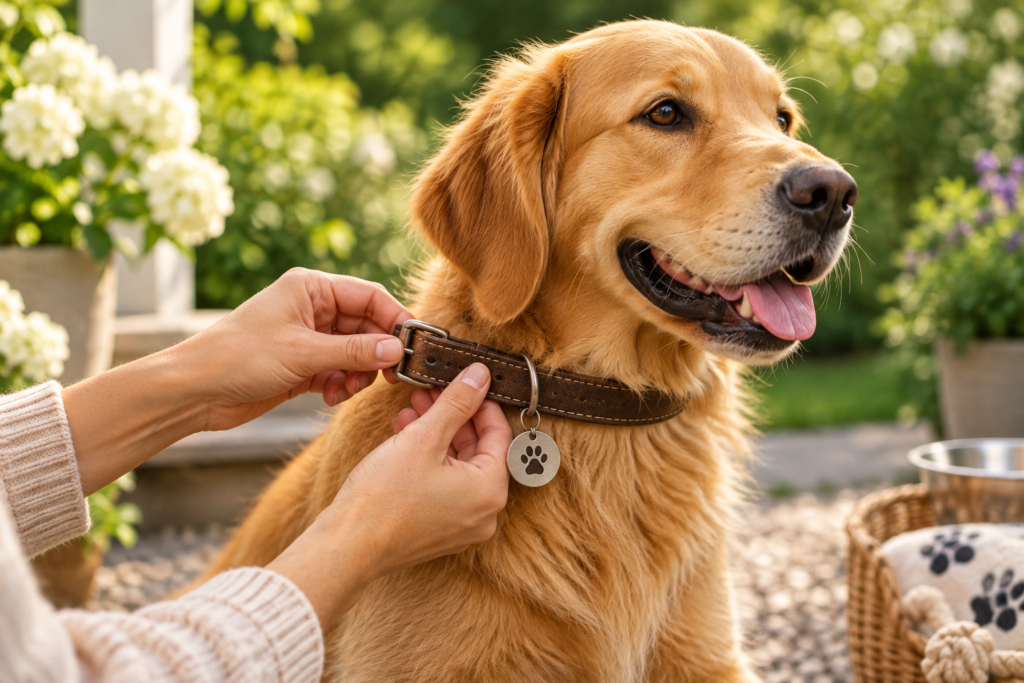
One of the easiest checks is simply feeling your dog’s rib cage.
Run your hands gently along both sides of your dog’s chest.
Ideally, you should be able to feel the ribs without pressing hard, but they shouldn’t be extremely prominent.
If you have difficulty feeling the ribs beneath a thick layer of fat, your dog may be carrying excess weight.
Keep in mind that coat thickness can make visual checks difficult, so using your hands is usually more helpful.
2. Look for a Visible Waist
Stand above your dog and look down at their body.
Most dogs at a healthy weight should have a noticeable waist behind the ribs.
Instead of the body continuing in a straight line from the chest to the hips, it should narrow slightly.
If your dog looks very round or rectangular from above with little or no visible waist, that can be a sign of excess weight.
3. Look at Your Dog From the Side
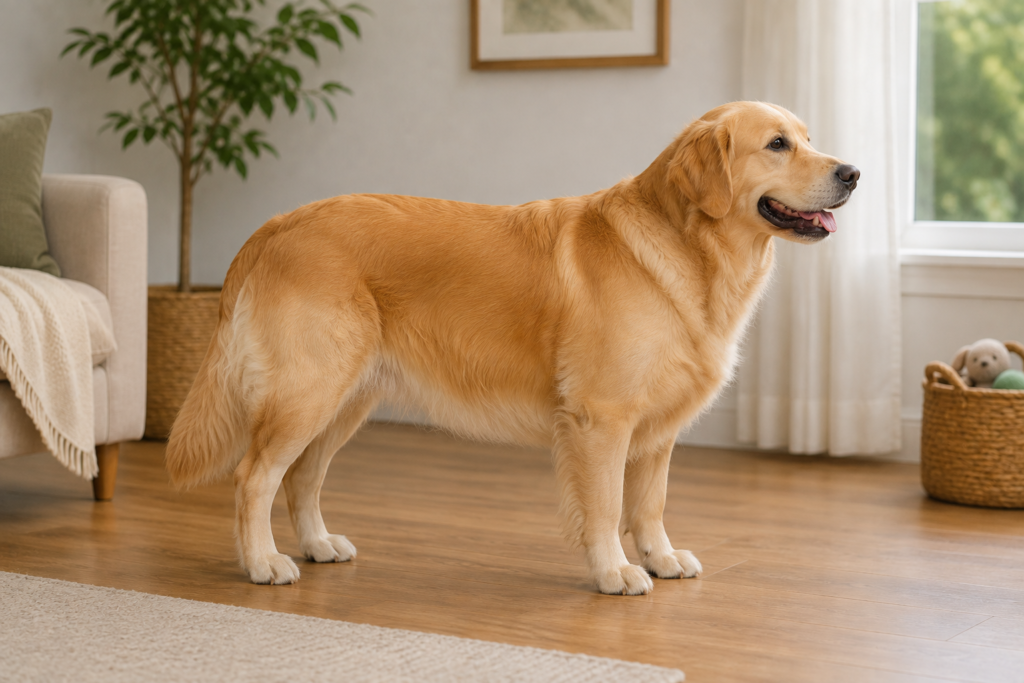
Now look at your dog while they’re standing.
The abdomen should generally rise slightly from the rib cage toward the hind legs. This is sometimes called an abdominal tuck.
If the belly hangs low or the underside of the body appears almost completely straight, your dog may be overweight.
However, body shape varies between breeds, so this check should be considered together with the others.
4. Notice Changes in Activity
Weight gain can sometimes show up in your dog’s behavior before you notice a major physical difference.
You might notice your dog:
- Gets tired sooner on walks
- Is less interested in running or playing
- Has difficulty climbing stairs
- Moves more slowly
- Pants heavily after relatively mild activity
- Takes more breaks during walks
Of course, these signs can have many causes besides weight.
If your dog suddenly becomes less active or has difficulty exercising, it’s worth discussing the change with your veterinarian.
If you’re unsure how much daily exercise your dog needs, our guide How Long Should Dog Walks Be? explains how walk length can vary depending on age, breed, health, and energy level.
5. Pay Attention to Gradual Weight Gain
Gradual weight gain is particularly easy to miss.
Looking at older photographs can sometimes make changes easier to spot.
You can also weigh your dog periodically and keep a simple record. For small dogs, a home scale may work. Larger dogs may be easier to weigh during routine veterinary visits.
A steady upward trend is worth paying attention to even if your dog still appears relatively healthy.
Why Do Dogs Become Overweight?
In many cases, dogs simply consume more calories than they use.
Common contributors include:
- Portions that are too large
- Frequent treats
- Table scraps
- Multiple family members giving treats
- Not enough exercise
- Reduced activity with age
Treat calories can add up particularly quickly because they’re easy to forget when thinking about your dog’s daily food intake.
However, weight gain isn’t always caused by food and exercise alone. Certain health conditions and medications can also contribute.
How Much Should You Feed an Overweight Dog?
Avoid dramatically reducing your dog’s food without knowing how much they actually need.
Start by measuring meals rather than estimating portions.
Check the feeding guidelines on the food packaging, but remember that these are only general starting points. Your dog’s individual calorie requirements can vary considerably.
If your dog needs to lose a significant amount of weight, your veterinarian can help determine an appropriate calorie target and safe rate of weight loss.
Should You Exercise an Overweight Dog More?
Exercise can certainly be part of a healthy weight-management plan, but suddenly increasing activity isn’t always the best approach.
An overweight dog may already have additional stress on their joints.
Instead, gradually increasing activity may be more appropriate.
For many dogs, this could mean slightly longer walks, additional short walks, gentle play sessions, or more opportunities to move throughout the day.
And remember that mental activity matters too. Food puzzles, sniffing games, and interactive toys can provide enrichment without requiring intense physical exercise.
When Should You Talk to Your Veterinarian?
Consider speaking with your veterinarian if your dog has gained significant weight, continues gaining weight despite reasonable portions, or suddenly becomes less active.
It’s especially important to seek advice if weight changes occur alongside symptoms such as:
- Excessive thirst
- Changes in appetite
- Hair or skin changes
- Weakness
- Difficulty breathing
- Significant changes in behavior
Your veterinarian can assess your dog’s body condition and help rule out medical causes of weight gain.
FAQ
How can I tell if my dog is overweight without a scale?
Feel your dog’s ribs and look at their body from above and from the side. You should generally be able to feel the ribs relatively easily, see some definition at the waist, and notice an abdominal tuck behind the rib cage.
Is it normal to see a dog’s ribs?
The ribs usually shouldn’t be strongly visible in most dogs, but they should be relatively easy to feel. Breed and natural body structure make a difference.
Can an overweight dog still be active?
Yes. Some overweight dogs remain surprisingly active, particularly when they’re young. Activity level alone isn’t a reliable way to determine whether your dog is at a healthy weight.
How quickly should a dog lose weight?
Safe weight loss depends on the individual dog. Rapid dieting isn’t recommended, so ask your veterinarian to help establish an appropriate target if your dog needs to lose weight.
Final Thoughts
Determining whether your dog is overweight isn’t just about a number on the scale.
Their ribs, waist, overall body shape, activity level, and changes over time can all provide useful clues.
If you think your dog may be carrying extra weight, small adjustments to portions, treats, and daily activity can make a meaningful difference. For significant weight gain or unexplained changes, your veterinarian can help determine the healthiest approach for your dog.
This article is for informational purposes only and is not a substitute for professional veterinary advice.