The best dog gear for long hikes isn’t necessarily the most expensive equipment. It’s the gear that fits your dog, suits the trail, and helps you handle the challenges of spending several hours outdoors together.
A short neighborhood walk and a five-hour hike are very different experiences. On longer trails, small problems can become bigger ones. A poorly fitted harness can cause rubbing, rough terrain can leave paws sore, and running low on drinking water can quickly become a serious concern.
You don’t need every outdoor accessory available. But a few carefully chosen essentials can make hiking safer, more comfortable, and more enjoyable for both of you.
This guide covers 10 practical pieces of dog hiking gear, what to look for before buying, and how to decide which items your dog actually needs.
Affiliate Disclosure: This article contains affiliate links. As an Amazon Associate, I earn from qualifying purchases at no additional cost to you.
Why Good Dog Hiking Gear Matters
Long hikes expose dogs to conditions they might not encounter during everyday walks.
Depending on the route, you may face steep hills, sharp rocks, muddy paths, changing temperatures, or long stretches without safe drinking water.
Appropriate equipment can help you:
- Keep your dog hydrated during longer outings.
- Reduce rubbing and discomfort from walking equipment.
- Protect paws when the terrain requires it.
- Carry useful supplies without unnecessary weight.
- Improve visibility when daylight starts fading.
- Manage some minor problems while arranging veterinary care.
Of course, even the best equipment can’t make an unsuitable trail safe. Your dog’s fitness, health, experience, and the weather should always influence your plans.
What Dog Hiking Gear Do You Really Need?
Before choosing products, it helps to separate the essentials from the extras.
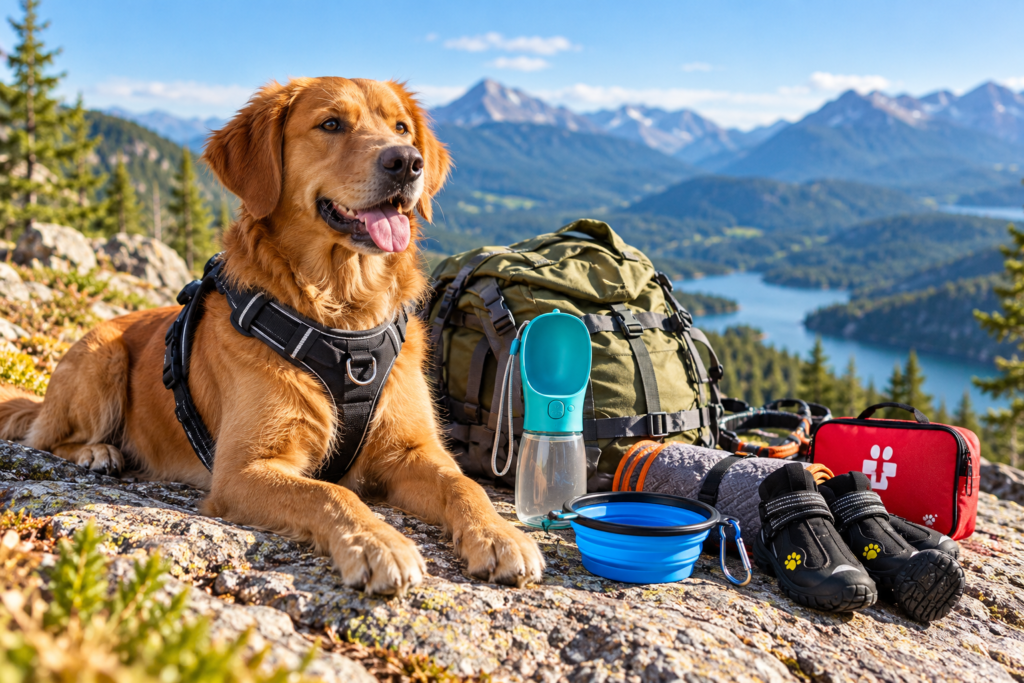
Essential for most long hikes:
- A properly fitted harness and secure leash.
- Enough clean drinking water.
- A portable water bottle or suitable drinking container.
- A collapsible bowl if needed.
- Basic first aid supplies.
- Waste bags.
- Identification with current contact details.
Useful depending on the trail:
- Protective boots for rough or hazardous surfaces.
- A dog backpack for a suitable, conditioned adult dog.
- A hands-free leash for appropriate routes.
- A lightweight resting mat.
- A safety light for low visibility.
- A training whistle for dogs with established recall skills.
You don’t need to bring every optional item on every hike. The goal is to pack what makes sense for your particular dog and destination.
For a complete packing checklist, read our guide on What to Pack for a Day Hike With Your Dog.
1. rabbitgoo Escape Proof Dog Harness – For Secure, Comfortable Walking
A reliable harness is one of the first things to consider when preparing for longer hikes.
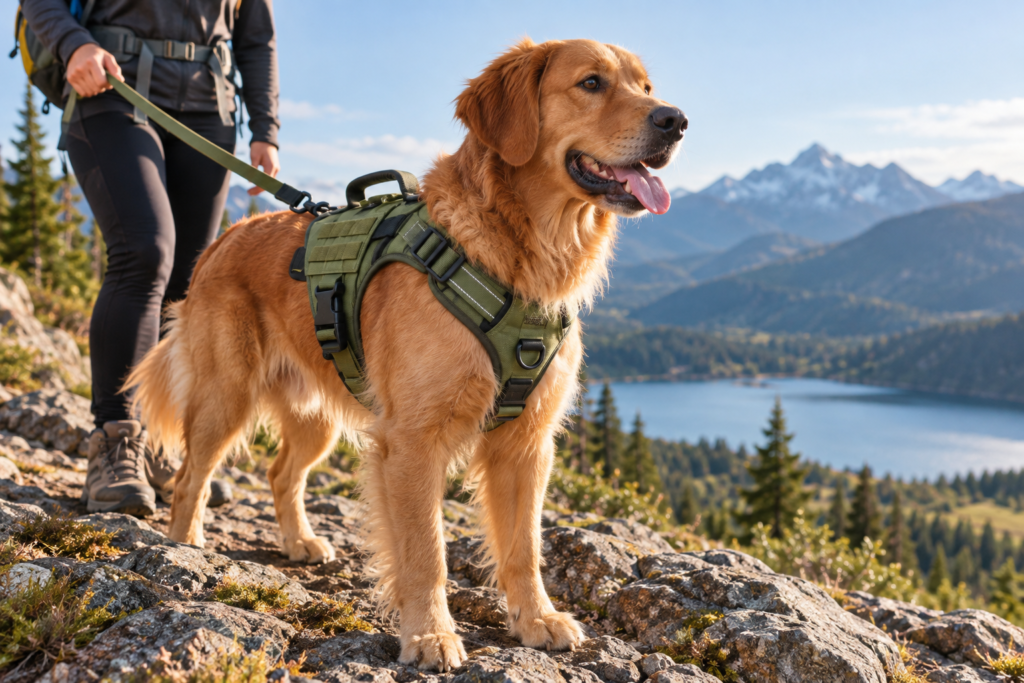
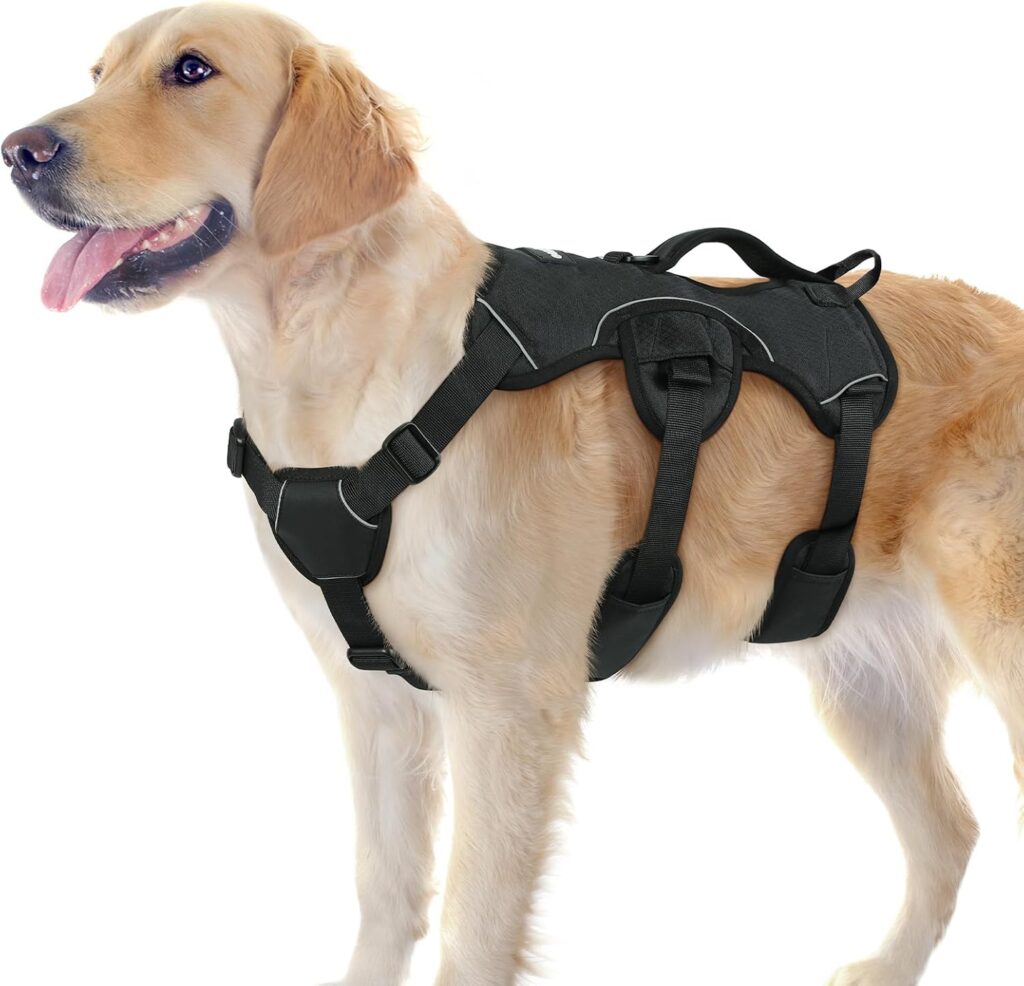
The rabbitgoo Escape Proof Dog Harness features adjustable straps, padded construction, and a lifting handle. Its design may appeal to owners looking for additional adjustability and control on outdoor walks.
A harness distributes leash pressure across a larger area of the body than a collar, but fit remains essential. Even a padded harness can cause rubbing if it sits incorrectly.
Why consider it:
- Adjustable design.
- Padded construction.
- Handle for limited assistance and control.
- Reflective details for visibility.
What to keep in mind: Check that the harness allows natural shoulder movement and doesn’t rub behind the front legs. A handle is not a substitute for specialized lifting equipment, and no harness should be assumed completely escape-proof.
Try it on shorter walks before taking it on a long trail.
Want to compare more options? Explore our Best Dog Hiking Harnesses in 2026.
2. lesotc Dog Water Bottle – For Easy Hydration Breaks
Water is one of the most important things to bring on any long hike.
Dogs need regular opportunities to drink, especially during warm weather, steep climbs, or prolonged exercise.
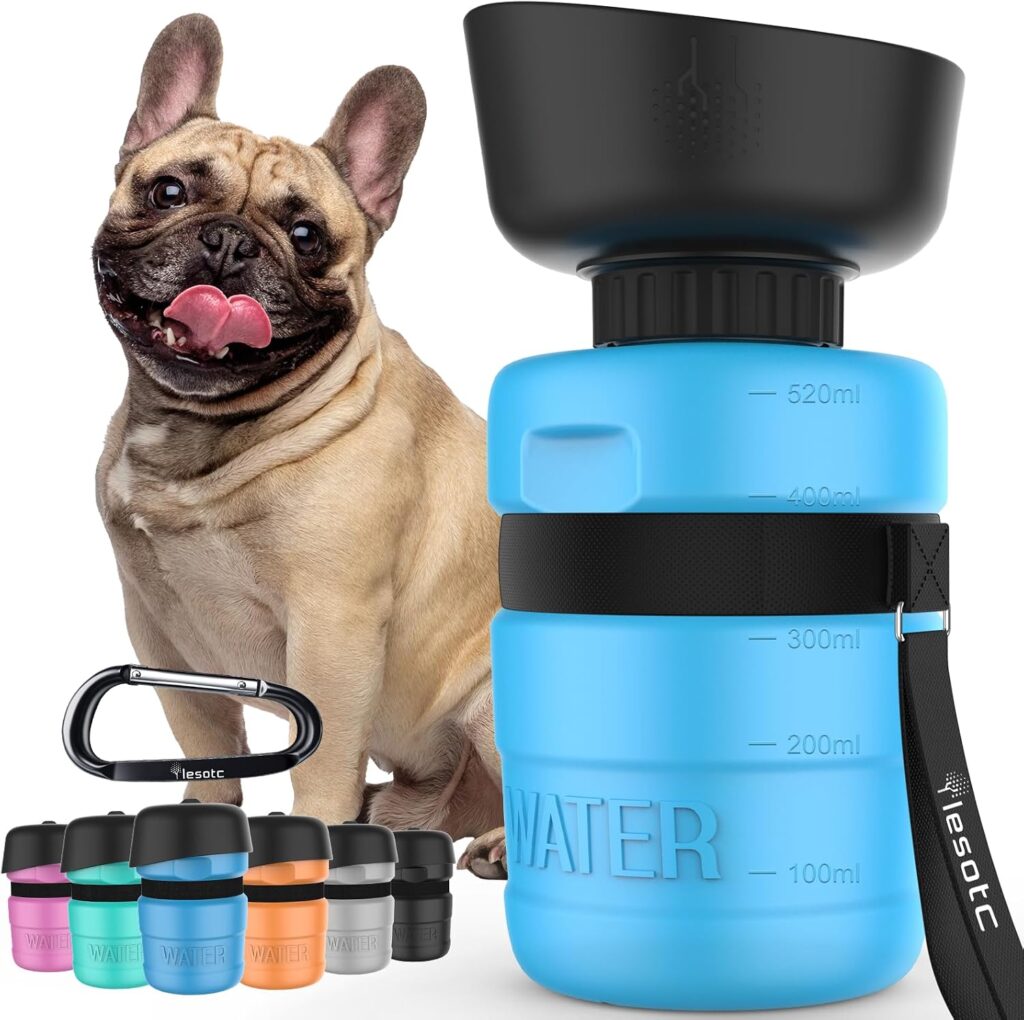
The lesotc Dog Water Bottle combines a portable water container with a built-in drinking bowl. This can make quick water breaks more convenient when you’re moving along a trail.
Why consider it:
- Integrated drinking bowl.
- Portable design.
- Convenient for walks, hikes, and travel.
- Designed to reduce the need for a separate drinking dish during quick stops.
What to keep in mind: Check the bottle’s capacity against your dog’s needs. A single bottle may not hold enough water for a full-day hike, especially for larger dogs.
Bring additional water when necessary and never rely entirely on streams or puddles, which may contain harmful microorganisms or contaminants.
If you’re looking for more hydration options, check out our guide to Best Dog Water Bottles for Walks and Travel in 2026.
3. Kytely Collapsible Dog Bowls – For Longer Rest Stops
A portable bottle is convenient for quick drinks, but a separate bowl can be useful when you’re stopping for a longer break.
The Kytely Collapsible Dog Bowls come as a two-pack and fold down for easier storage. They include clips that can help attach them to a backpack.
One bowl can be used for water and the other for food, which is handy on longer outings.
Why consider them:
- Collapsible design.
- Two bowls included.
- Lightweight and portable.
- Useful for water or food.
What to keep in mind: Choose a bowl size that suits your dog’s muzzle and drinking habits. Place it on reasonably level ground to reduce spills.
Rinse and dry the bowls after use.

4. ARCA PET Dog First Aid Kit – For Trail Emergencies
Even carefully planned hikes can involve unexpected problems.
A scraped paw, damaged nail, thorn, or minor cut may require attention before you can get home.
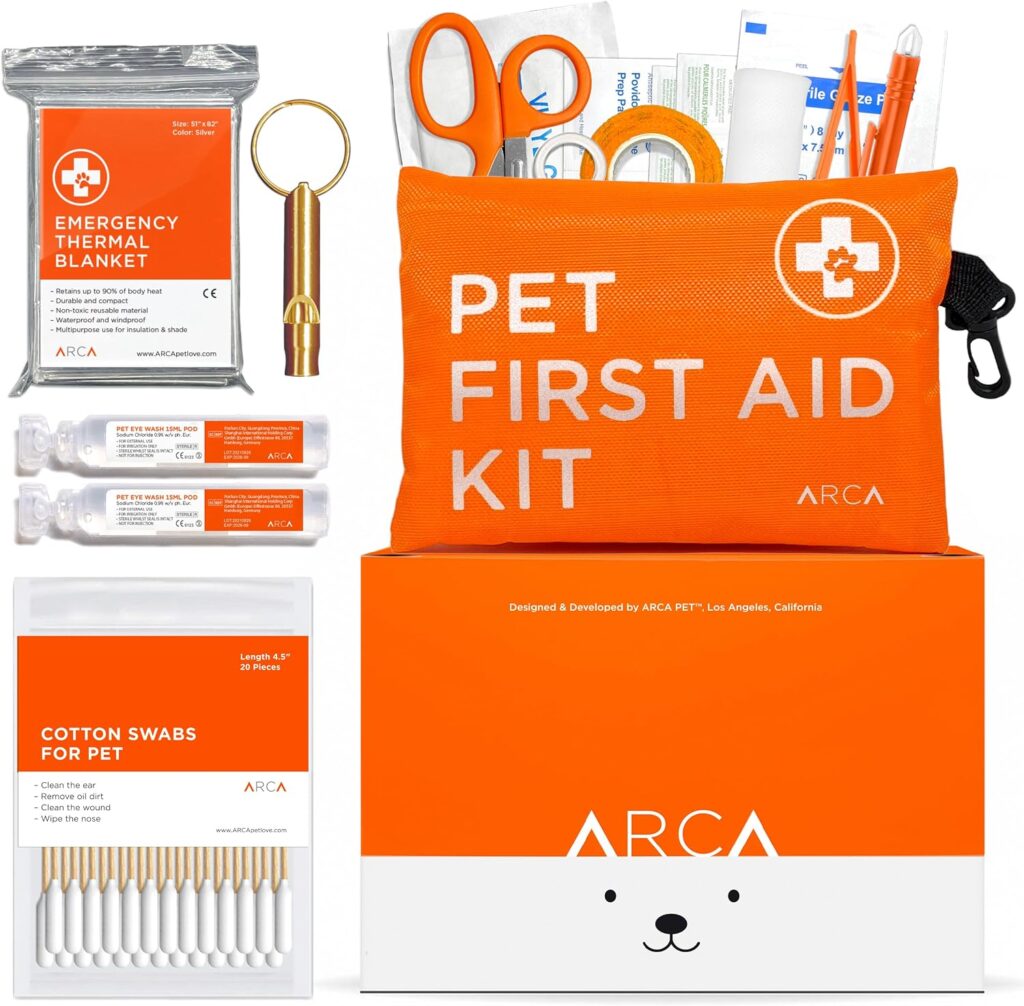
The ARCA PET Dog First Aid Kit is a portable emergency kit designed for pet owners. Its compact pouch makes it a practical option to consider for hiking and travel.
Why consider it:
- Portable storage pouch.
- Intended for pet-related first aid.
- Convenient for keeping supplies together.
- Suitable for including in a hiking backpack.
What to keep in mind: Always check the exact contents before relying on a premade kit. You may need to add supplies such as saline, suitable dressings, or an appropriate tick-removal tool.
Learn basic canine first aid before heading into remote areas.
Never give human pain medication to your dog unless your veterinarian specifically instructs you to do so.
5. XSY&G Dog Shoes – For Paw Protection on Difficult Terrain
Not every dog needs boots for hiking.
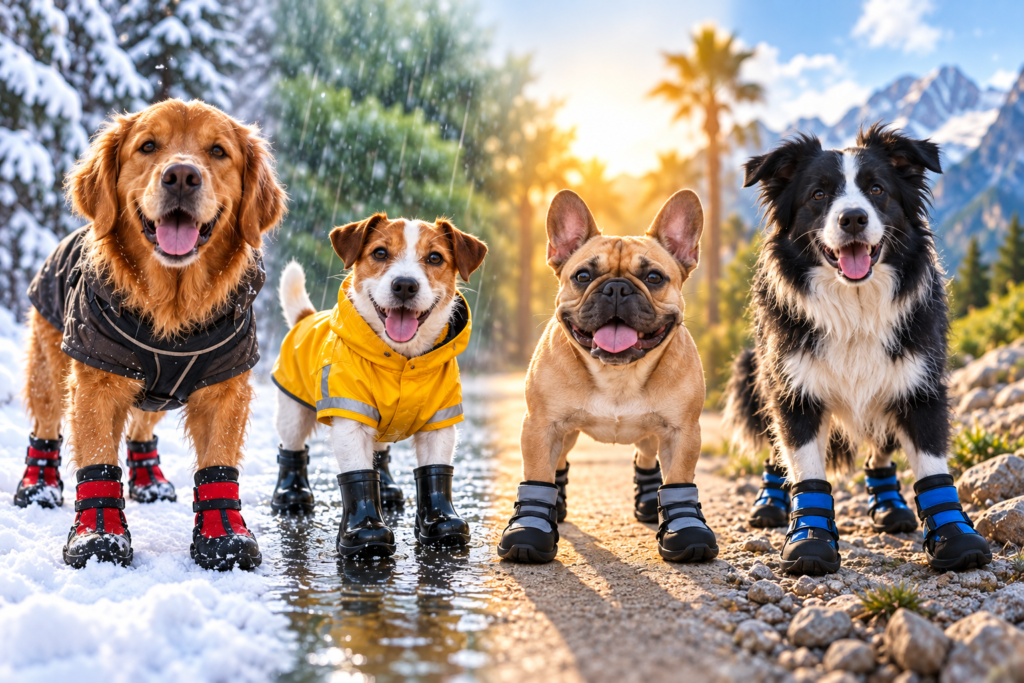
Many dogs are comfortable walking on ordinary natural trails without them. However, protective footwear can be useful on sharp rocks, abrasive surfaces, or certain snowy and icy routes.
The XSY&G Dog Shoes feature adjustable closures and protective soles intended for outdoor use.
Why consider them:
- Protective sole design.
- Adjustable fastening straps.
- Intended for outdoor walking.
- Available in different sizes.
What to keep in mind: Paw measurements matter. Boots that are too loose can twist or fall off, while tight boots can cause discomfort.
Introduce boots gradually on short walks before using them for several hours.
Check paws regularly for rubbing, trapped moisture, or overheating.
Important: Boots do not make hot-weather hiking safe. Always check ground temperatures and avoid walking your dog on dangerously hot surfaces.

6. ONETIGRIS Dog Backpack – For Suitable, Conditioned Dogs
A dog backpack can be useful when you want your dog to carry a small amount of lightweight equipment.
However, this is one accessory that requires extra thought.
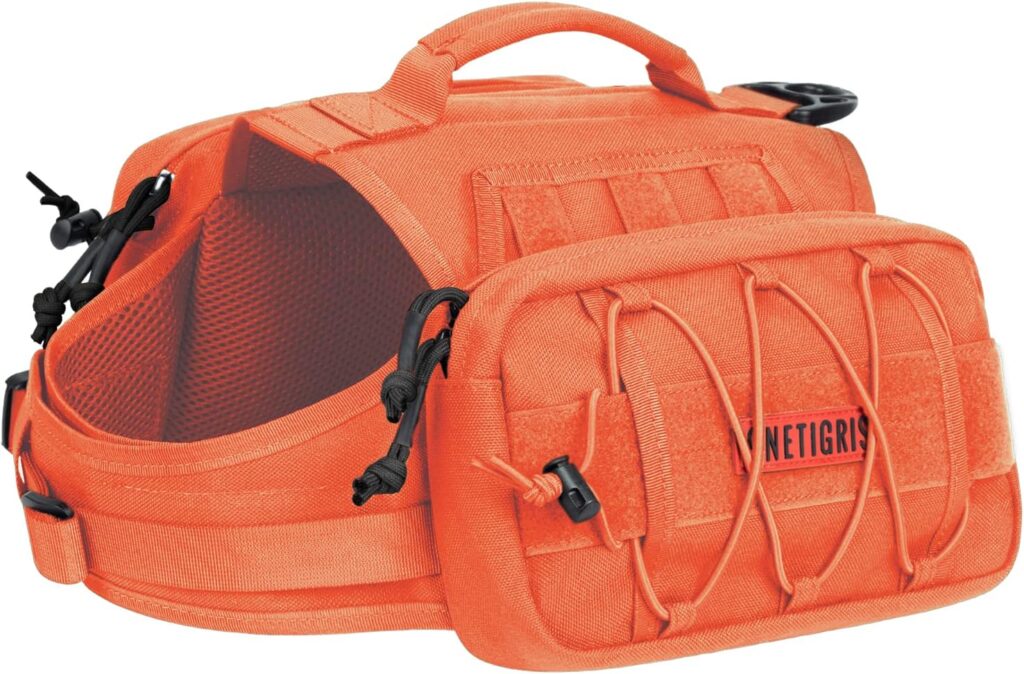
The ONETIGRIS Dog Backpack features storage compartments and adjustable straps. It is designed for medium and large dogs, with different sizes available.
Why consider it:
- Built-in storage pockets.
- Adjustable design.
- Intended for outdoor activities.
- Can carry small, lightweight supplies.
What to keep in mind: A loaded backpack isn’t suitable for every dog.
Puppies, dogs with joint problems, and dogs with certain health conditions may not be appropriate candidates. Older dogs also need individual assessment.
Start with an empty backpack and introduce it on short walks. Consult your veterinarian before adding weight, rather than relying on a universal percentage-of-body-weight rule.
If your dog seems uncomfortable, remove the backpack.
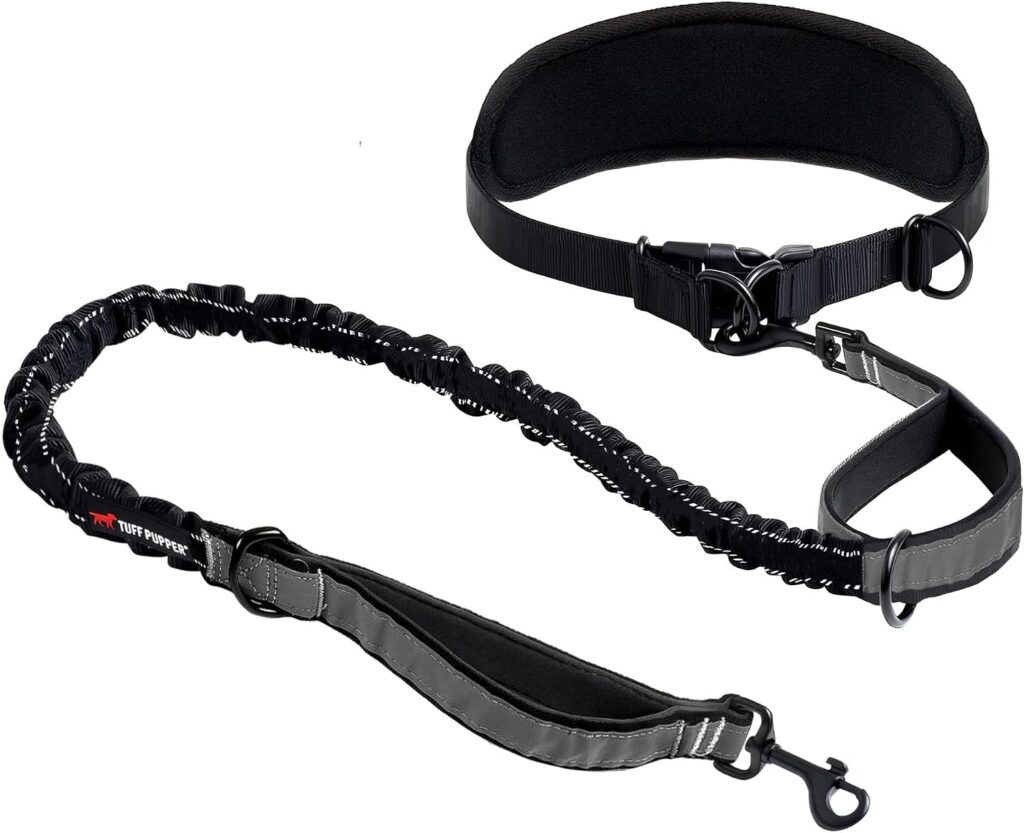
7. Tuff Pupper Hands Free Bungee Dog Leash – For Suitable Walking Routes
A hands-free leash can be convenient when you’re carrying equipment or using trekking poles.
The Tuff Pupper Hands Free Bungee Dog Leash includes a waist belt and flexible leash sections intended to reduce some of the impact of sudden movement.
Why consider it:
- Waist-attached design.
- Bungee sections.
- Hands-free walking option.
- Useful for certain outdoor activities.
What to keep in mind: Hands-free leashes aren’t ideal for every dog or trail.
A strong dog that suddenly lunges toward wildlife can pull a person off balance. This is especially dangerous on narrow paths, steep slopes, and slippery ground.
Practice in a safe environment first. On challenging sections, use whichever leash setup gives you the safest control.
Always follow local leash regulations.
8. RovePad Trail Dog Bed Mat – For Comfortable Rest Breaks
Long hikes should include time to rest.
A lightweight mat can give your dog a more comfortable place to settle during breaks, particularly on damp or uneven ground.
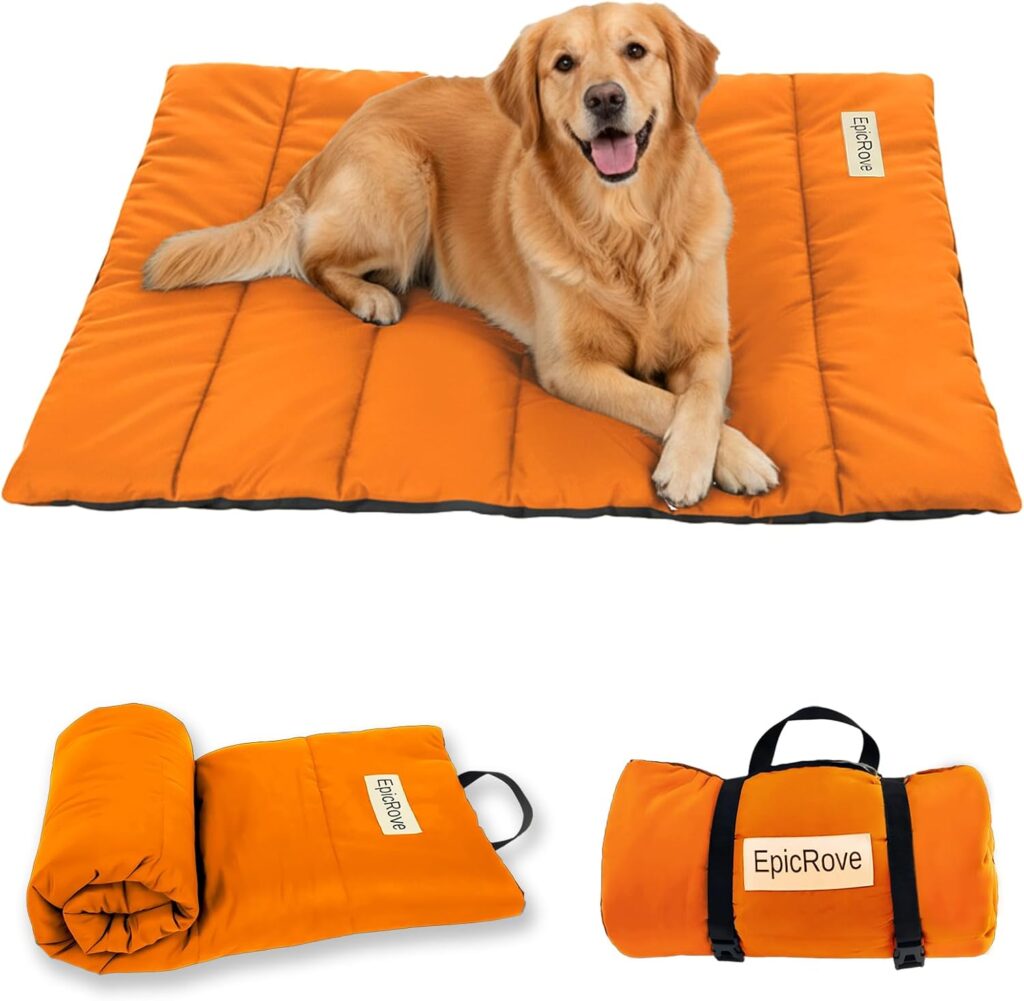
The RovePad Trail Dog Bed Mat is designed for outdoor travel and can be rolled up for carrying.
Why consider it:
- Roll-up design.
- Portable for camping and hiking.
- Water-resistant construction.
- Available in different sizes.
What to keep in mind: Check the dimensions and packed size before buying. Larger mats may take up more space than expected.
A resting mat also isn’t a substitute for shade, ventilation, or safe ground temperatures.
Choose rest stops based on the weather and your dog’s condition.
9. Nite Ize SpotLit XL Rechargeable Collar Light – For Better Visibility
Even when you plan to finish before sunset, hikes can take longer than expected.
Cloud cover, wooded sections, and unexpected delays can reduce visibility.
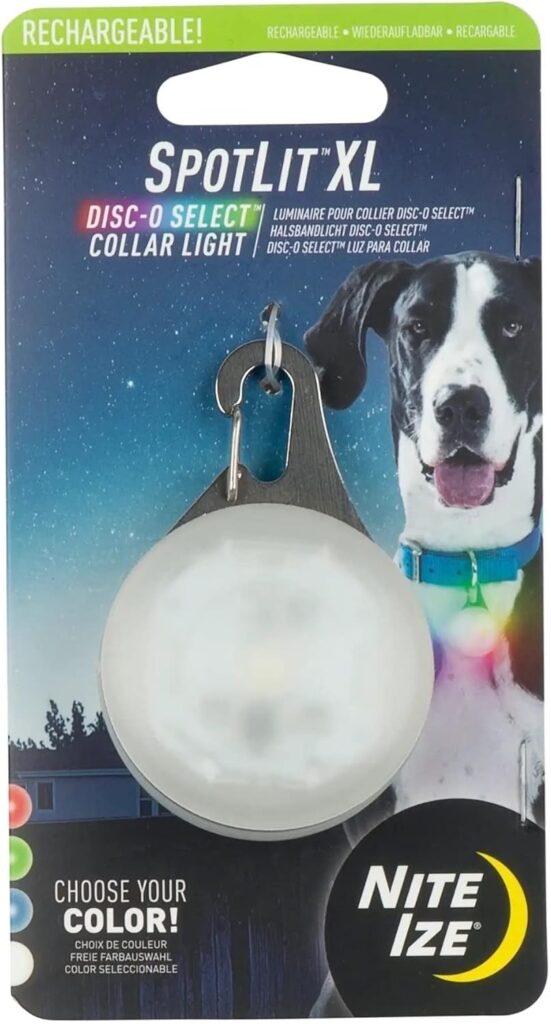
The Nite Ize SpotLit XL Rechargeable Collar Light is a clip-on light designed to make pets easier to spot in low-light conditions.
Why consider it:
- Rechargeable design.
- Clip-on attachment.
- Multiple light settings.
- Compact size.
What to keep in mind: Check that the light is securely attached and charged before leaving.
A collar light can improve visibility, but it doesn’t replace a leash, reflective equipment, or a proper flashlight.
10. ACME Dog Whistle 210.5 – For Practicing Reliable Recall
A dog training whistle is a small accessory that takes up very little room.
Its main advantage is consistency. Unlike your voice, which can change with distance or emotion, a whistle produces a repeatable signal.
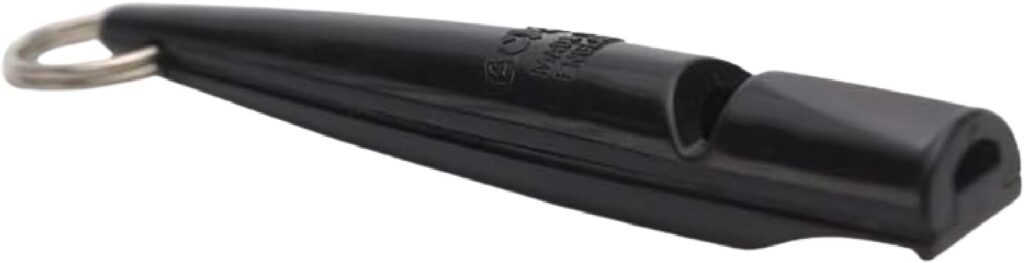
The ACME Dog Whistle 210.5 is designed for dog training and can be incorporated into recall practice.
Why consider it:
- Lightweight and compact.
- Consistent whistle signal.
- Easy to carry.
- Useful as part of a structured training routine.
What to keep in mind: A whistle doesn’t automatically make a dog return.
Your dog must first learn what the signal means through reward-based training. Begin in a quiet area and gradually introduce distractions.
Even a dog with excellent recall may become distracted by wildlife.
Never use a whistle as a reason to ignore leash rules or allow a dog off-leash in unsafe conditions.
How to Choose Dog Hiking Gear Without Wasting Money
It’s easy to buy outdoor equipment because it looks useful.
But before adding something to your cart, consider five questions.
Does Your Dog Actually Need It?
Water and safe walking equipment are essentials. Boots, backpacks, and specialized accessories depend on the route and your dog’s needs.
Does It Fit Properly?
Even well-made products can cause problems when they’re the wrong size.
Check measurements carefully and follow the manufacturer’s fitting instructions.
Have You Tested It?
A long hike isn’t the right time to discover that a harness rubs or boots won’t stay on.
Introduce new equipment gradually.
Is It Worth the Extra Weight?
Every accessory takes up space.
Prioritize useful items and avoid packing equipment simply because you own it.
Is It Suitable for the Weather?
Gear that works well on a cool autumn morning may be uncomfortable during a hot summer hike.
Consider temperature, humidity, trail conditions, and your dog’s coat and physical condition.
How Far Can a Dog Safely Hike?
Not every dog who enjoys walking is ready for a long-distance hike.
A dog’s hiking ability depends on several factors, including age, health, breed characteristics, body condition, fitness, terrain, and weather.
Some dogs are naturally enthusiastic and may keep following their owners even when they’re becoming tired.
That’s why it’s important to pay attention to behavior rather than assuming your dog will stop when they’ve had enough.
Not sure how much distance your dog can comfortably handle? Read our How Far Can a Dog Hike? guide for advice based on age, fitness, and individual needs.
Build Up Distance Gradually
Begin with shorter, easier routes and increase the challenge gradually.
Watch for:
- Unusual slowing down.
- Repeated stopping or lying down.
- Limping or stiffness.
- Reluctance to continue.
- Heavy panting that doesn’t improve with rest.
- Weakness or changes in coordination.
If your dog shows concerning symptoms, stop the activity and seek veterinary advice when appropriate.
For puppies, exercise should be adapted to their development, vaccination status, and veterinary guidance. Avoid universal rules based on a fixed number of minutes per month of age.
Senior dogs and dogs with existing health conditions may also need shorter routes or veterinary assessment before longer hikes.
How to Keep Your Dog Safe on the Trail
Good equipment is helpful, but preparation matters just as much.
Check the Weather
Avoid strenuous hiking in dangerous heat.
Dogs can overheat even when the temperature doesn’t feel extreme to people, particularly in humid conditions. Planning a summer adventure? Read When Is It Too Hot to Walk Your Dog? before choosing your hiking route.
Bring Enough Water
Don’t assume you’ll find a safe stream or drinking source.
Carry more water than you expect to need and offer it regularly.
Respect Wildlife and Trail Rules
Keep your dog under appropriate control and follow local regulations.
Avoid disturbing wildlife, and remember that not every trail allows dogs.
Know When to Turn Back
Check the route before leaving and identify possible exit points.
If your dog appears tired, uncomfortable, or unwell, shorten the hike.
Check Your Dog Afterward
Inspect paws, skin, and coat for cuts, rubbing, ticks, or other problems.
Pay particular attention to the areas beneath harness straps and between the toes. Ticks are another concern on wooded and grassy trails. Learn more in our guide on How to Protect Dogs From Ticks.
Know the Signs of Heatstroke in Dogs
Heatstroke is a medical emergency.
Possible warning signs include:
- Heavy or abnormal panting.
- Weakness.
- Vomiting.
- Confusion or poor coordination.
- Collapse.
If you suspect heatstroke, stop exercising immediately, move your dog to a cooler area, and begin cooling with cool water while avoiding the nose and mouth. Seek emergency veterinary care without delay.
Do not wait until you arrive at the veterinary clinic to begin cooling.
Dog Hiking Checklist: What to Pack Before You Leave
Before heading out, review this simple checklist.
Essentials:
- Properly fitted harness.
- Secure leash.
- Plenty of clean water.
- Portable water bottle and/or bowl.
- Waste bags.
- First aid supplies.
- Identification and updated microchip details.
- Charged phone and route information.
Depending on the route:
- Protective boots.
- Dog backpack, if appropriate.
- Lightweight resting mat.
- Safety light.
- Recall whistle.
- Food or treats for longer outings.
- Weather-appropriate protection.
- Any medication your dog needs.
Common Dog Hiking Mistakes to Avoid
Using New Equipment on a Long Hike
Test new gear on shorter walks first. This helps identify fit problems before they become painful.
Choosing a Route That’s Too Difficult
A route that seems manageable to you may be exhausting for your dog.
Choose the trail based on your dog’s abilities, not just your own.
Bringing Too Little Water
Always plan for the possibility of delays or warmer-than-expected conditions.
Ignoring Signs of Fatigue
If your dog is repeatedly stopping, limping, or struggling to recover, don’t push them to continue.
Assuming Every Dog Needs the Same Equipment
A small dog on a gentle woodland path has different needs from a large, conditioned dog on rocky terrain.
Choose gear for the individual dog.
FAQ: Best Dog Gear for Long Hikes
What is the most important gear for hiking with a dog?
A properly fitted harness or other suitable walking equipment, a secure leash, enough clean drinking water, and a practical way to offer it are among the most important items. Basic first aid supplies and identification are also valuable.
Should dogs wear boots when hiking?
Not always. Many dogs are comfortable without boots on ordinary trails. Protective boots can be helpful on sharp, abrasive, or certain icy surfaces, provided they fit correctly.
Can dogs carry their own hiking supplies?
Some healthy, conditioned adult dogs can carry small loads in a properly fitted backpack. However, this isn’t suitable for every dog. Consult your veterinarian before adding weight.
How often should I offer my dog water during a hike?
Offer water regularly and adjust breaks according to the temperature, difficulty of the hike, and your dog’s individual needs. Don’t wait until your dog appears dehydrated.
Are hands-free dog leashes safe for hiking?
They can be convenient for calm dogs on suitable trails. However, sudden pulling can create a fall risk, particularly on steep, slippery, or narrow paths.
Do I need a dog first aid kit for hiking?
Basic first aid supplies are a sensible precaution, particularly on longer or more remote hikes. Serious injuries or illness still require professional veterinary care.
How can I tell if my dog is too tired to continue hiking?
Look for unusual slowing, repeated stopping, limping, weakness, reluctance to move, or difficulty recovering during breaks. Stop when concerning signs appear and seek veterinary advice when necessary.
Final Thoughts
The best dog gear for long hikes is the equipment that helps you and your dog enjoy the outdoors without unnecessary discomfort or risk.
Start with the essentials: a secure harness, a reliable leash, plenty of clean water, a way to offer it, basic first aid supplies, and identification.
Then consider the trail itself. Boots may be useful on rocky ground, a resting mat can make longer breaks more comfortable, and a safety light can help when daylight starts fading.
There’s no need to buy everything at once. Choose practical equipment, test it before a long outing, and build your dog’s hiking experience gradually.
Most importantly, pay attention to your dog. A successful hike isn’t about covering the greatest distance. It’s about enjoying the adventure together and getting home safely.
Disclaimer: This article is for general informational purposes and does not replace professional veterinary advice. Always consider your dog’s individual health, fitness, and needs before planning a long hike. Consult your veterinarian if you’re unsure whether an activity or piece of equipment is appropriate for your dog.