Ticks are more than just an unpleasant surprise hidden in your dog’s fur. These small parasites feed on blood and can transmit diseases to dogs, which makes tick prevention an important part of regular dog care.
Dogs can pick up ticks almost anywhere outdoors, but the risk is often higher in tall grass, wooded areas, bushes, leaf litter, and places frequently visited by wildlife.
The good news is that a combination of prevention, regular checks, and quick removal can significantly reduce the risks associated with ticks.
Here’s how to protect your dog from ticks and what to do if you find one.
Where Do Dogs Pick Up Ticks?
Ticks don’t fly or jump onto dogs.
Instead, they typically wait on vegetation and attach when an animal brushes past.
Your dog may encounter ticks while walking through:
- Tall grass
- Wooded areas
- Bushes and shrubs
- Leaf litter
- Hiking trails
- Fields
- Parks
- Gardens and backyards
Even dogs that spend most of their time close to home can get ticks.
Wild animals can carry ticks into residential areas, and ticks may be present in gardens and parks as well as forests and countryside.
When Is Tick Season?
Many people associate ticks with spring and summer, but tick activity depends heavily on climate and local conditions.
Ticks generally become more active during warmer weather, but some species can remain active whenever temperatures are suitable.
That means tick prevention shouldn’t automatically stop just because summer has ended.
Your veterinarian can advise you about tick activity and prevention recommendations where you live.
Use an Appropriate Tick Preventive
One of the most effective ways to protect your dog is to use a veterinarian-recommended tick preventive.
Several types are available, including:
Oral Tick Treatments
Some tick preventives come as chewable tablets or other oral medications.
These products generally work after a tick attaches and begins feeding.
Depending on the product, protection may last for several weeks or longer.
Spot-On Treatments
Spot-on products are applied directly to the dog’s skin, usually around the back of the neck or along the back depending on the specific product.
Always follow the instructions carefully.
Tick Collars
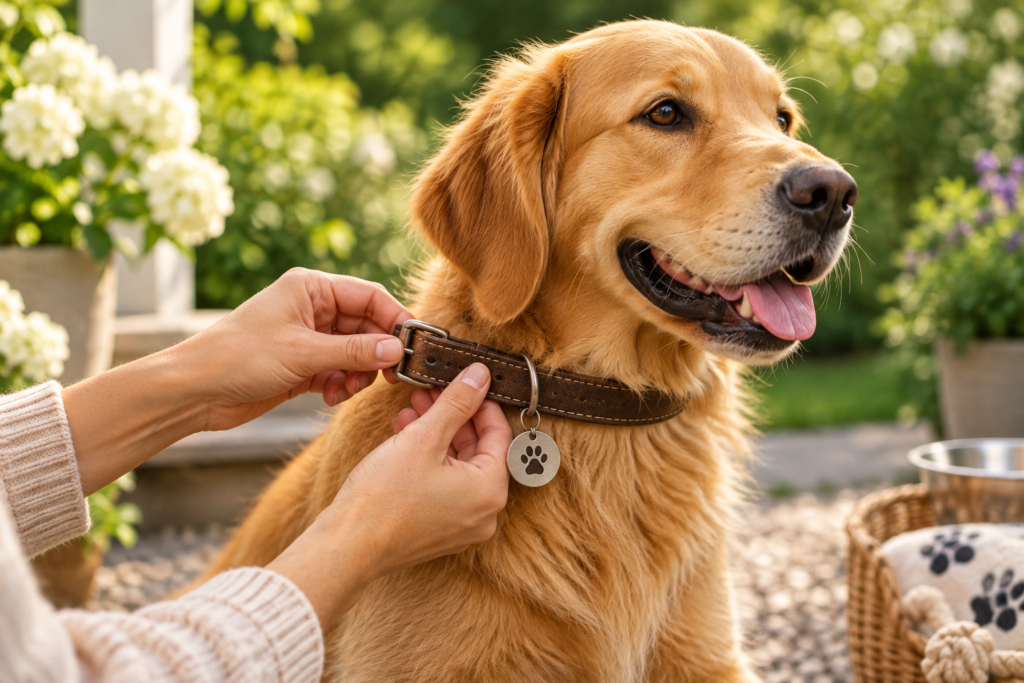
Certain collars contain active ingredients designed to repel or kill ticks over an extended period.
Not every collar provides the same protection, so check exactly which parasites the product covers and how long protection lasts.
Sprays and Other Products
Tick sprays and other topical products are also available.
The right option depends on your dog’s age, weight, health, lifestyle, environment, and other pets in the household.
Never combine parasite treatments unless your veterinarian confirms that it is safe to do so.
Products designed for dogs may also contain ingredients that are unsafe for other animals, particularly cats, so always read and follow the label carefully.
Check Your Dog After Walks
Even if your dog uses tick prevention, regular checks are still worthwhile. Regular post-walk checks can become part of the same routine as grooming and general skin care. If your dog has been scratching more than usual, you may also want to read Why Is My Dog Itching So Much?
After walks — particularly through grass, woodland, or other high-risk areas — run your hands slowly over your dog’s body.
You’re looking and feeling for small unusual bumps attached to the skin.
Ticks can initially be very small and may become easier to notice as they feed.
Where Should You Check Your Dog for Ticks?
Ticks can attach almost anywhere, but certain areas deserve extra attention.
Check carefully:
- Around and inside the ears
- Around the eyes
- Under the collar
- Around the neck
- Under the front legs
- Between the toes
- Around the paw pads
- Groin area
- Around the tail
- Between the back legs
Dogs with long or thick coats may require a particularly careful examination because ticks can easily disappear beneath the fur.
Using your fingertips to feel through the coat can sometimes reveal a tick that isn’t immediately visible.
What Does a Tick Look Like on a Dog?
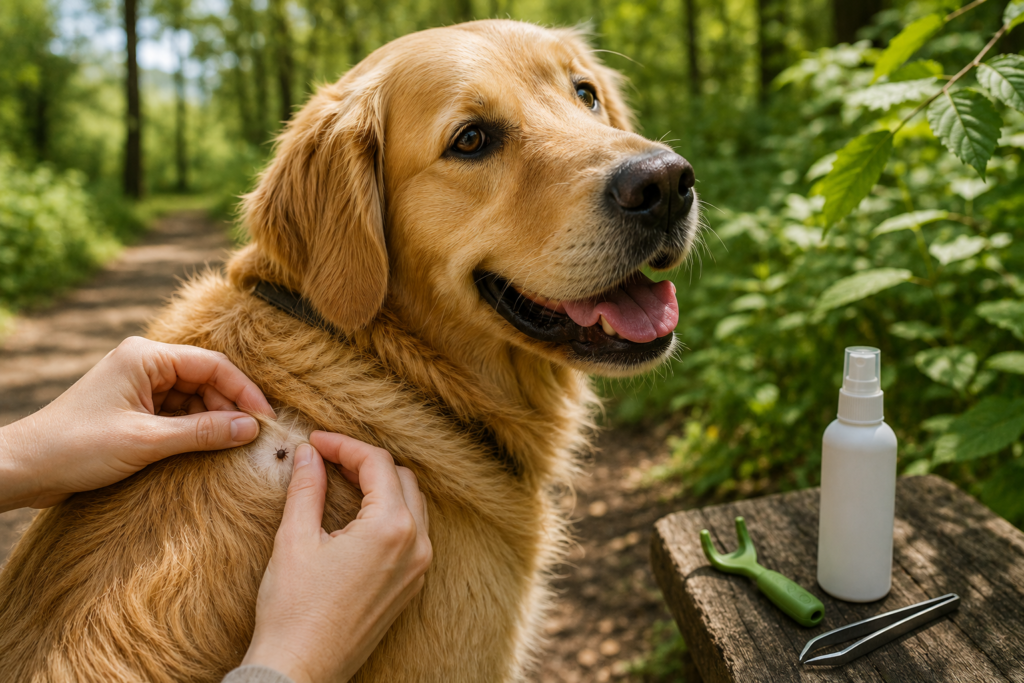
An attached tick may look like a small dark bump on the skin.
Its appearance changes depending on the species and whether it has recently attached or has already been feeding.
An engorged tick can become significantly larger and may appear rounded or swollen.
If you aren’t sure whether you’re looking at a tick, don’t pull at it immediately. Skin tags, nipples, scabs, and other normal skin structures can sometimes be mistaken for ticks.
Take a closer look or ask your veterinarian if you’re uncertain.
How to Remove a Tick From a Dog
If you find an attached tick, it should be removed carefully.
A proper tick-removal tool or fine-tipped tweezers can help.
Part the fur so you can clearly see where the tick is attached.
Grip the tick as close to the dog’s skin as possible without squeezing the swollen body.
Then remove it carefully according to the instructions for the removal tool you’re using.
The goal is to remove the entire tick without crushing it unnecessarily.
After removal, clean the area and wash your hands.
If part of the tick appears to remain embedded, the area becomes inflamed, or you’re uncomfortable removing it yourself, contact your veterinarian.
What Should You NOT Put on a Tick?
You may come across home remedies suggesting that you cover an attached tick with substances such as:
- Petroleum jelly
- Nail polish
- Alcohol
- Oils
- Other household substances
You may also see advice recommending burning the tick while it’s still attached.
Don’t do this.
Trying to suffocate, irritate, burn, or chemically disturb an attached tick isn’t a good substitute for proper mechanical removal and could injure your dog.
Use an appropriate removal tool instead.
What Should You Do With the Tick After Removing It?
Avoid crushing a tick with your bare fingers.
Depending on veterinary advice in your area, you may want to place the tick in a sealed container or bag temporarily, particularly if your dog later develops symptoms.
Otherwise, dispose of it safely so that it cannot reattach to an animal or person.
Wash your hands thoroughly after handling ticks.
Keep Your Yard Less Tick-Friendly
You can’t eliminate every tick from an outdoor environment, but keeping your yard maintained may reduce suitable tick habitat.
Helpful steps can include:
- Keeping grass trimmed
- Removing piles of leaves
- Clearing dense vegetation
- Cutting back overgrown shrubs
- Keeping frequently used dog areas tidy
Wildlife can also introduce ticks into gardens, so even a well-maintained yard isn’t necessarily tick-free.
That’s why environmental management works best alongside appropriate prevention and regular dog checks.
Be Extra Careful on Hiking and Woodland Trips
Dogs that regularly explore wooded trails, long grass, or countryside environments may encounter ticks more frequently.
When possible, keep your dog away from dense vegetation and extremely overgrown areas.
After hiking, perform a thorough tick check before settling in at home.
Check yourself too — ticks don’t only attach to dogs. During warmer months, ticks aren’t the only outdoor risk to consider. If you’re planning longer summer walks, see When Is It Too Hot to Walk Your Dog? for tips on temperature, hot pavement, hydration, and heat safety.
Can Dogs Still Get Ticks While Using Tick Prevention?
Yes.
Finding a tick doesn’t necessarily mean the preventive product has failed.
Some products are designed to kill ticks after they attach, while others may also have repellent properties.
The way protection works varies by product.
If you’re repeatedly finding attached or engorged ticks despite using prevention correctly, discuss it with your veterinarian. They may recommend a different preventive strategy based on your dog’s lifestyle and local tick species.
Can Ticks Make Dogs Sick?
Yes. Certain ticks can transmit infectious diseases.
Which diseases are a concern varies depending on geographical location and tick species.
Examples of tick-borne diseases affecting dogs in different regions include:
- Lyme disease
- Anaplasmosis
- Ehrlichiosis
- Babesiosis
Not every tick carries disease, and an attached tick doesn’t automatically mean your dog will become sick.
However, it’s important to watch your dog after finding a tick.
Signs to Watch for After a Tick Bite
Contact your veterinarian if your dog becomes unwell after tick exposure.
Possible symptoms of tick-borne illness can vary widely but may include:
- Lethargy
- Loss of appetite
- Fever
- Limping or stiffness
- Swollen or painful joints
- Weakness
- Pale gums
- Unusual bruising or bleeding
- Changes in behavior
Symptoms may not necessarily appear immediately after the tick is found.
If your dog becomes sick, tell your veterinarian about any recent tick exposure.
Should You Check Your Dog Every Day?
If your dog regularly spends time in tick-prone environments, a quick daily check can be worthwhile.
It only takes a few minutes and can easily become part of your routine after the final walk of the day.
For dogs with long coats, regular grooming also provides another opportunity to examine the skin.
Do Indoor Dogs Need Tick Protection?
Possibly.
A dog doesn’t need to live in the countryside to encounter ticks.
Dogs that go outside for walks, visit parks, travel, or spend time in gardens can potentially encounter them.
The appropriate level of prevention depends on local risk and your dog’s lifestyle.
Your veterinarian can help you decide whether year-round or seasonal protection is appropriate.
Can You Protect a Dog From Ticks Naturally?
Be cautious with products marketed as “natural” tick repellents.
Natural doesn’t automatically mean safe or effective.
Essential oils in particular can cause problems for pets depending on the substance, concentration, route of exposure, and animal involved.
If you want to use a non-standard tick preventive, discuss it with your veterinarian rather than experimenting with homemade mixtures on your dog’s skin or coat.
Tick Prevention Checklist
A simple routine can make tick protection much easier:
- Use an appropriate veterinarian-recommended preventive.
- Give or apply treatments on schedule.
- Check your dog after walks in tick-prone areas.
- Pay particular attention to ears, paws, neck, armpits, and groin.
- Keep a tick-removal tool at home.
- Maintain grass and vegetation around your yard.
- Remove attached ticks promptly and correctly.
- Watch for illness after known tick exposure.
- Ask your veterinarian about local tick risks.
FAQ
What Is the Best Way to Prevent Ticks on Dogs?
Using an appropriate veterinary tick preventive together with regular physical checks provides a strong practical approach.
The best product for an individual dog depends on factors including age, weight, health, lifestyle, location, and other animals in the household.
Can a Dog Get a Tick Even With a Tick Collar?
Yes. Depending on the product, a tick may still come into contact with or attach to the dog before being repelled or killed.
No preventive strategy should replace regular checks.
How Often Should I Check My Dog for Ticks?
Check your dog after spending time in areas where ticks are common.
During periods of high tick activity or if your dog regularly walks through woodland or tall grass, checking daily can be useful.
Should I Take My Dog to the Vet for One Tick?
Finding a single tick doesn’t always require a veterinary visit if you can remove it safely and your dog remains well.
However, contact your veterinarian if you can’t remove the tick, part appears to remain embedded, the bite area becomes significantly inflamed, or your dog develops symptoms.
Can Ticks Live in a Dog’s Bed?
Ticks that haven’t attached or that fall from an animal may potentially end up in the environment.
Regularly washing your dog’s bedding and keeping sleeping areas clean is sensible general hygiene, particularly if you’ve recently found ticks.
Final Thoughts
Protecting your dog from ticks doesn’t require avoiding every field, forest, or outdoor adventure.
Instead, build tick protection into your normal dog-care routine.
Use an appropriate preventive, check your dog after outdoor activities, keep a tick-removal tool available, and know which symptoms deserve veterinary attention.
A few minutes spent checking your dog’s coat after a walk can help you spot ticks early — while still allowing your dog to enjoy plenty of time outdoors.
Disclaimer: This article is for informational purposes only and is not a substitute for professional veterinary advice. Tick risks and appropriate parasite-control products vary by location and individual dog. Consult your veterinarian about the most appropriate tick prevention for your pet.