Many dogs love cool weather, but that doesn’t mean they’re immune to the cold. While some breeds thrive in winter conditions, others can become uncomfortable—or even develop hypothermia—if they’re outside for too long.
So, how cold is too cold for dogs?
The answer depends on your dog’s breed, size, coat type, age, and overall health. Understanding these factors can help you keep your furry friend safe all winter long.
Is There a Safe Temperature for Dogs?
As a general guideline:
| Temperature | What It Means |
|---|---|
| Above 45°F (7°C) | Safe for most healthy dogs. |
| 32–45°F (0–7°C) | Small, short-haired, or senior dogs may become uncomfortable. |
| 20–32°F (-6–0°C) | Limit time outdoors for many dogs. |
| Below 20°F (-6°C) | Risk of frostbite and hypothermia increases, especially for small or thin-coated dogs. |
These are general recommendations. Always watch your dog’s behavior rather than relying only on the temperature.
Which Dogs Tolerate Cold Better?
Some breeds are naturally built for cold weather.
Examples include:
- Siberian Husky
- Alaskan Malamute
- Bernese Mountain Dog
- Newfoundland
- Saint Bernard
These dogs have thick double coats that provide excellent insulation.
However, even cold-weather breeds shouldn’t stay outside indefinitely in freezing temperatures.
Dogs That Get Cold Easily
Some dogs are much more sensitive to cold.
These include:
- Chihuahuas
- Italian Greyhounds
- Miniature Pinschers
- Whippets
- Yorkshire Terriers
Puppies, senior dogs, and dogs with medical conditions are also more vulnerable because they have a harder time regulating body temperature.
Signs Your Dog Is Too Cold
Watch for these signs during walks:
- shivering
- lifting paws off the ground
- whining
- slowing down
- refusing to continue walking
- curling up tightly
- seeking shelter
- cold ears or paws
If you notice these signs, head indoors immediately.
Can Dogs Get Frostbite?
Yes.
Although uncommon, frostbite can occur during prolonged exposure to freezing temperatures.
The ears, paws, tail, and nose are the most vulnerable areas.
Signs may not appear immediately and can include:
- pale or gray skin
- swelling
- blisters
- pain when touched
If you suspect frostbite, contact your veterinarian promptly.
Can Dogs Get Hypothermia?
Yes.
Hypothermia occurs when a dog’s body temperature drops too low.
Symptoms include:
- severe shivering
- weakness
- confusion
- slow breathing
- lethargy
- collapse
Hypothermia is a medical emergency and requires immediate veterinary attention.
Tips for Walking Dogs in Cold Weather
To keep your dog comfortable:
- shorten walks during very cold weather
- dry paws after every walk
- remove ice and road salt from paw pads
- provide fresh drinking water
- avoid frozen lakes and ponds
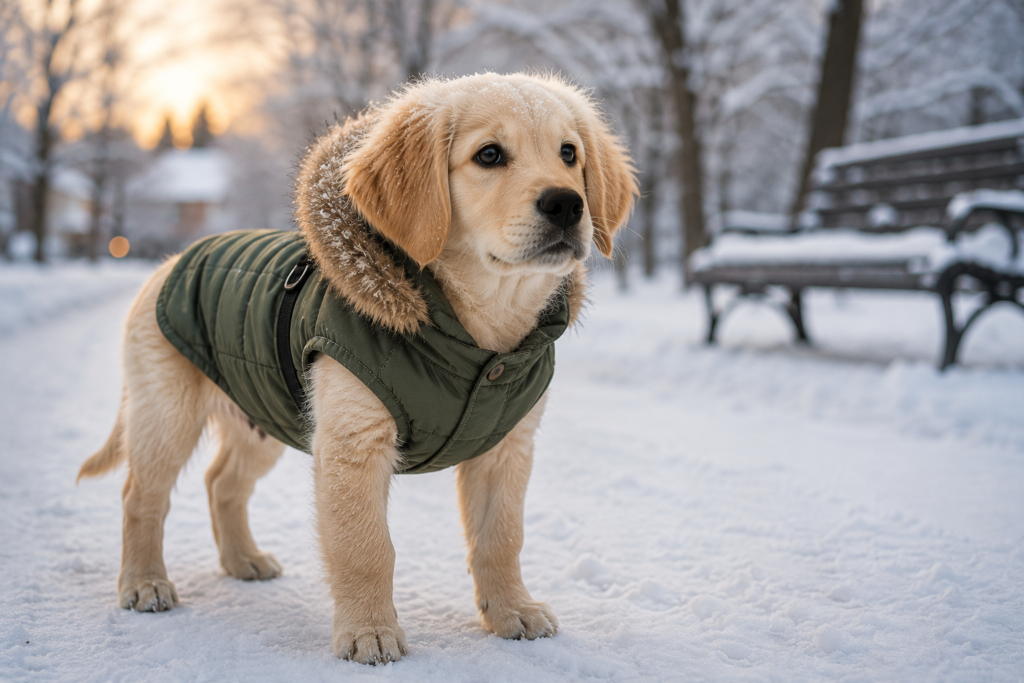
- consider a dog coat for small or short-haired breeds
Remember that icy sidewalks can be just as uncomfortable as freezing air temperatures.
Should Dogs Wear a Winter Coat?
Not every dog needs one.
A winter coat can be helpful for:
- small breeds
- short-haired dogs
- senior dogs
- puppies
- dogs recovering from illness
Large dogs with thick double coats often don’t need extra protection unless temperatures become extremely cold.
Frequently Asked Questions
Is 30°F too cold for dogs?
For many healthy adult dogs, short walks are usually fine. Small, elderly, or short-haired dogs may need a coat and shorter outings.
Is it okay to walk dogs in freezing weather?
Yes, but adjust the walk based on your dog’s breed and comfort level. Keep walks shorter if your dog appears cold.
How can I tell if my dog is cold?
Shivering, lifting paws, slowing down, whining, or trying to return home are all common signs.
Final Thoughts
Most healthy dogs can enjoy winter walks, but cold tolerance varies greatly from one dog to another.
Pay attention to your dog’s breed, age, and behavior rather than relying only on the thermometer. When in doubt, keep outdoor time shorter and make sure your dog warms up quickly once back inside.
Disclaimer: This article is for informational purposes only and is not a substitute for professional veterinary advice. If your dog shows signs of hypothermia, frostbite, or any other concerning symptoms, seek veterinary care immediately.