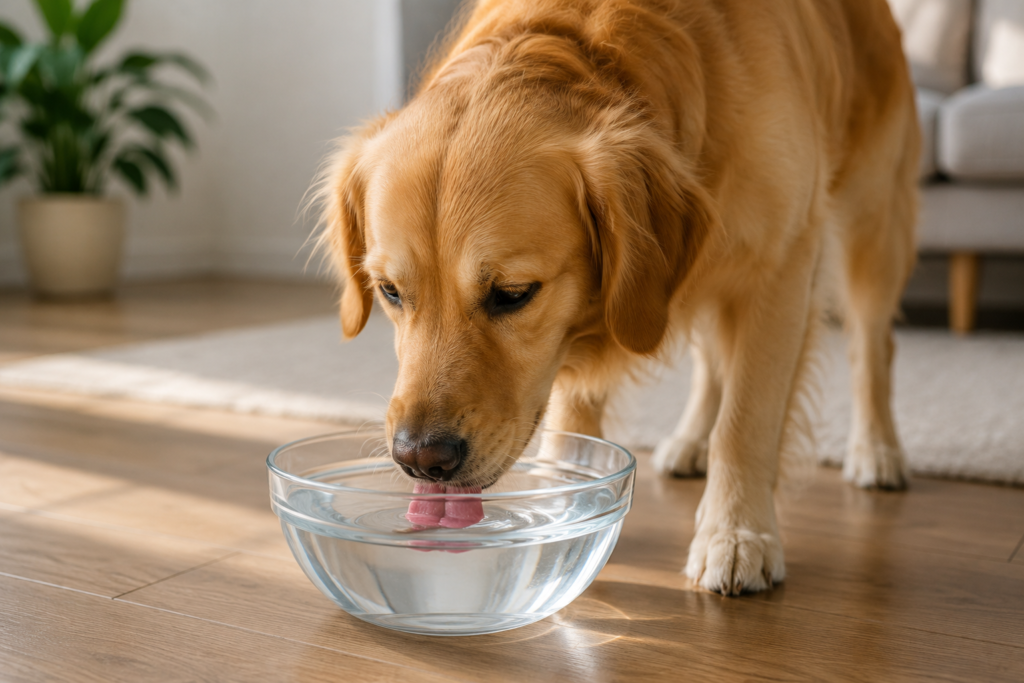
If you have noticed your dog visiting the water bowl more often than usual, you may be wondering, why is my dog drinking so much water?
Sometimes the explanation is simple. Hot weather, exercise, dry food, or increased activity can all make a dog thirstier. But a noticeable and persistent increase in water consumption can also be one of the first signs of an underlying health problem.
The important thing is not to panic, but to pay attention to what is normal for your dog and whether anything else has changed.
Here are some of the most common reasons dogs drink more water and the signs that mean it is time to contact your veterinarian.
How Much Water Should a Dog Drink?
There is no single amount of water that is normal for every dog.
Water needs vary depending on:
- Body size
- Activity level
- Diet
- Weather
- Age
- Pregnancy or nursing
- Certain medications
- Overall health
As a general guideline, healthy dogs often drink roughly 50–60 milliliters of water per kilogram of body weight per day, although individual needs can vary.
For example, a 20 kg (44 lb) dog might drink around 1 liter of water during an average day.
Dogs may naturally drink more after exercise, during warm weather, or when eating mostly dry food. Dogs eating wet food receive considerably more moisture from their meals and may drink less from their bowl.
Rather than focusing on one exact number, watch for a significant change from your dog’s usual drinking habits.
How Can You Tell If Your Dog Is Drinking Too Much Water?
An empty water bowl does not necessarily mean there is a problem, especially in a household with multiple pets.
Look for changes such as:
- Refilling the water bowl much more frequently
- Your dog repeatedly returning to the bowl
- Drinking large amounts at once
- Waking during the night to drink
- Looking for water in unusual places
- Urinating more frequently
- Asking to go outside more often
- Having urinary accidents indoors
If you are unsure, you can measure how much water you put into the bowl over a 24-hour period and record how much remains.
This information can also be useful for your veterinarian.
1. Hot Weather Can Make Dogs Drink More
One of the simplest explanations for increased thirst is warm weather.
Dogs primarily regulate their body temperature by panting. As they lose moisture, they need to replace it by drinking.
You may therefore notice your dog drinking more during summer, after spending time outdoors, or after lying somewhere warm.
Always make sure your dog has access to fresh water during hot weather.
If your dog is also panting more than usual, our guide Why Is My Dog Panting? explains when panting is normal and when it deserves more attention.
2. Exercise and Increased Activity
A long walk, energetic play session, hike, or other physical activity can naturally increase your dog’s thirst.
This is usually temporary. Your dog may drink after exercise and then return to their normal drinking pattern.
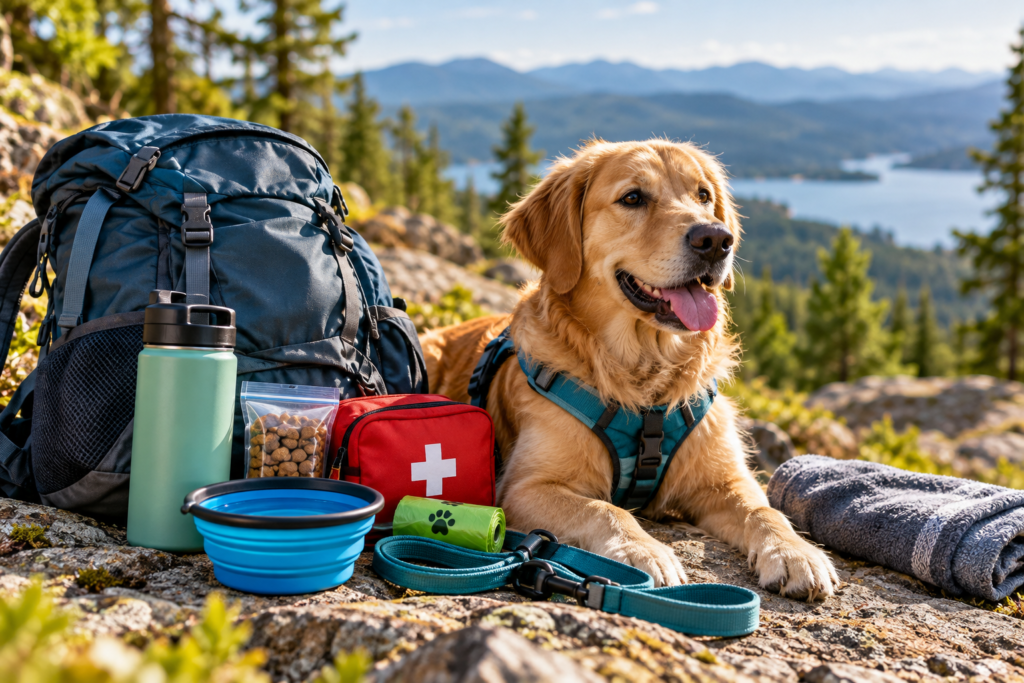
Bring water on longer walks and outdoor adventures, particularly during warm weather.
For easier hydration away from home, see our guide to the Best Dog Water Bottles for Walks and Travel in 2026.
3. Diet Can Affect How Much Water a Dog Drinks
What your dog eats can make a noticeable difference.
Dogs eating dry kibble usually obtain less moisture from food than dogs eating canned or fresh foods, so they may naturally drink more water.
A change from wet food to dry food can therefore make it seem as though your dog has suddenly become thirstier.
Salty foods can also increase thirst.
Avoid giving dogs salty human snacks, and make sure fresh water is always available.
4. Medications Can Increase Thirst
Certain medications can cause dogs to drink and urinate more.
Examples can include some:
- Corticosteroids
- Diuretics
- Anti-seizure medications
If your dog’s increased thirst began after starting a new medication, talk to your veterinarian.
Do not stop or change a prescribed medication on your own. Your veterinarian can tell you whether increased thirst is an expected side effect and whether anything needs to be adjusted.
5. Diabetes Can Cause Excessive Thirst
Increased drinking and increased urination can be signs of diabetes mellitus.
With diabetes, the body has difficulty properly regulating blood sugar. Excess glucose can pass into the urine and pull additional water with it, leading to increased urination and thirst.
Other possible signs can include:
- Increased urination
- Weight loss
- Changes in appetite
- Lethargy
- Recurrent infections
These symptoms do not automatically mean your dog has diabetes, but persistent excessive thirst should be evaluated by a veterinarian.
6. Kidney Problems Can Increase Drinking
The kidneys play an important role in regulating water balance and concentrating urine.
When kidney function is impaired, a dog may produce more dilute urine and compensate by drinking more water.
Other signs may include:
- Increased urination
- Changes in appetite
- Weight loss
- Vomiting
- Lethargy
- Changes in breath odor
Kidney problems are more common in older dogs, although dogs of any age can be affected.
Blood and urine tests are usually needed to determine whether kidney disease is involved.
7. Cushing’s Disease May Cause Increased Thirst
Cushing’s disease, also known as hyperadrenocorticism, occurs when the body is exposed to excessive levels of cortisol.
Increased thirst and urination are common signs.
Other possible symptoms include:
- Increased appetite
- Panting
- A pot-bellied appearance
- Muscle weakness
- Thinning hair or skin changes
These signs can develop gradually, which means owners sometimes initially attribute them to normal aging.
A veterinarian can perform appropriate testing if Cushing’s disease is suspected.
8. Infections and Other Medical Conditions
Increased thirst can occur with several other health problems.
For example, fever, dehydration, certain liver conditions, and some infections can affect how much a dog drinks.
An important condition in unspayed female dogs is pyometra, a potentially life-threatening uterine infection that can cause increased thirst and urination along with lethargy, poor appetite, vomiting, fever, or vaginal discharge.
A sudden or persistent change in thirst should therefore not be dismissed when other symptoms are present.
Is My Dog Drinking More Water Because of Dehydration?
Possibly.
Dogs may become dehydrated after:
- Vomiting
- Diarrhea
- Heavy exercise
- Excessive heat exposure
- Not having adequate access to water
- Certain illnesses
Signs of dehydration may include dry or sticky gums, weakness, lethargy, reduced appetite, or sunken-looking eyes.
Significant dehydration requires veterinary attention rather than simply encouraging the dog to drink a large amount of water at once.
Watch for Other Symptoms
Increased thirst becomes more concerning when it occurs with other changes.
Contact your veterinarian if your dog is drinking significantly more than usual and also develops:
- Frequent urination
- Urinary accidents
- Weight loss
- Loss of appetite
- Increased appetite
- Vomiting
- Diarrhea
- Lethargy
- Weakness
- Changes in behavior
- Abdominal swelling
- Significant changes in coat or skin
The combination of symptoms can help your veterinarian narrow down the possible cause.
Should You Limit Your Dog’s Water?
Usually, no.
If your dog suddenly starts drinking excessively, it may be tempting to remove the bowl to stop frequent urination. However, restricting access to water can be dangerous, particularly if an underlying condition is causing increased fluid loss.
Dogs should generally have access to clean, fresh water unless a veterinarian specifically gives different instructions.
Instead of restricting water, measure how much your dog drinks and contact your veterinarian if the increase is significant or persistent.
How to Measure Your Dog’s Water Intake
If you suspect your dog is drinking more than usual, measuring their intake for a day or two can provide useful information.
Start with a measured amount of water in the morning.
Keep track of any additional water you add during the day, then measure what remains after 24 hours.
Remember to account for other water sources, such as:
- Multiple water bowls
- Outdoor bowls
- Toilet water
- Puddles
- Wet food
- Water added to meals
If you have several pets sharing bowls, accurate measurement may be more difficult.
Write down the amount along with any changes in urination, appetite, weight, activity, or behavior. You can take these notes to your veterinary appointment.
When Should You Call the Vet?
An occasional thirsty day after exercise or hot weather is usually not alarming.
Contact your veterinarian if:
- Your dog suddenly starts drinking much more than usual
- Increased thirst continues for several days
- Your dog is urinating much more frequently
- Your dog begins having accidents indoors
- Drinking is accompanied by vomiting or diarrhea
- Your dog loses weight without explanation
- Appetite changes significantly
- Your dog appears weak, lethargic, or unwell
Seek prompt veterinary attention if your dog appears seriously ill, cannot keep water down, collapses, becomes severely weak, or shows other severe symptoms.
Frequently Asked Questions
Why is my dog drinking so much water all of a sudden?
A sudden increase can occur after exercise, during hot weather, after dietary changes, or because of certain medications. However, persistent increased thirst can also be associated with medical conditions and should be discussed with your veterinarian.
Why is my dog drinking and peeing more than usual?
Drinking and urinating more often can occur together with conditions such as diabetes, kidney disease, Cushing’s disease, certain infections, or medication side effects. Veterinary testing may be needed to determine the cause.
Do older dogs drink more water?
Age itself does not necessarily mean a dog should become excessively thirsty. However, some conditions that can cause increased drinking are more common in older dogs, so a noticeable change deserves attention.
Can dry dog food make my dog drink more water?
Yes. Dry food contains considerably less moisture than wet food, so dogs eating kibble may obtain more of their daily water directly from their bowl.
Should I take my dog’s water away at night?
Dogs should generally have access to fresh water. If your dog has suddenly started drinking excessively or waking repeatedly to drink and urinate, it is better to investigate the cause than simply remove access to water.
What should I do if my dog won’t stop drinking water?
Do not restrict water unless your veterinarian instructs you to do so. Measure the amount your dog drinks if possible and contact your veterinarian, particularly if the change is sudden, persistent, or accompanied by other symptoms.
Final Thoughts
So, why is my dog drinking so much water? Sometimes the reason is completely normal — a hot day, more exercise, dry food, or increased activity can all make a dog thirstier.
What matters most is a noticeable change from your dog’s normal routine.
If increased drinking persists, is accompanied by increased urination, or occurs together with symptoms such as weight loss, vomiting, appetite changes, or lethargy, contact your veterinarian. Measuring your dog’s water intake beforehand can provide useful information and help your veterinarian determine whether further testing is needed.
Disclaimer: This article is for general informational purposes only and is not a substitute for professional veterinary advice. If your dog suddenly begins drinking significantly more water than usual or develops other concerning symptoms, consult your veterinarian.