Let’s be honest—dog breath isn’t usually known for smelling great. But if you’ve noticed that your dog’s breath has become especially unpleasant lately, you might be wondering whether it’s normal or something you should worry about.
In many cases, bad breath is simply a sign that your dog’s teeth need a little more attention. Sometimes, however, it can point to a bigger health issue.
Here’s what you should know.
The Most Common Reason: Dirty Teeth
Just like people, dogs develop plaque on their teeth.
Over time, that plaque hardens into tartar, creating the perfect environment for bacteria to grow. Those bacteria are often responsible for the strong smell coming from your dog’s mouth.
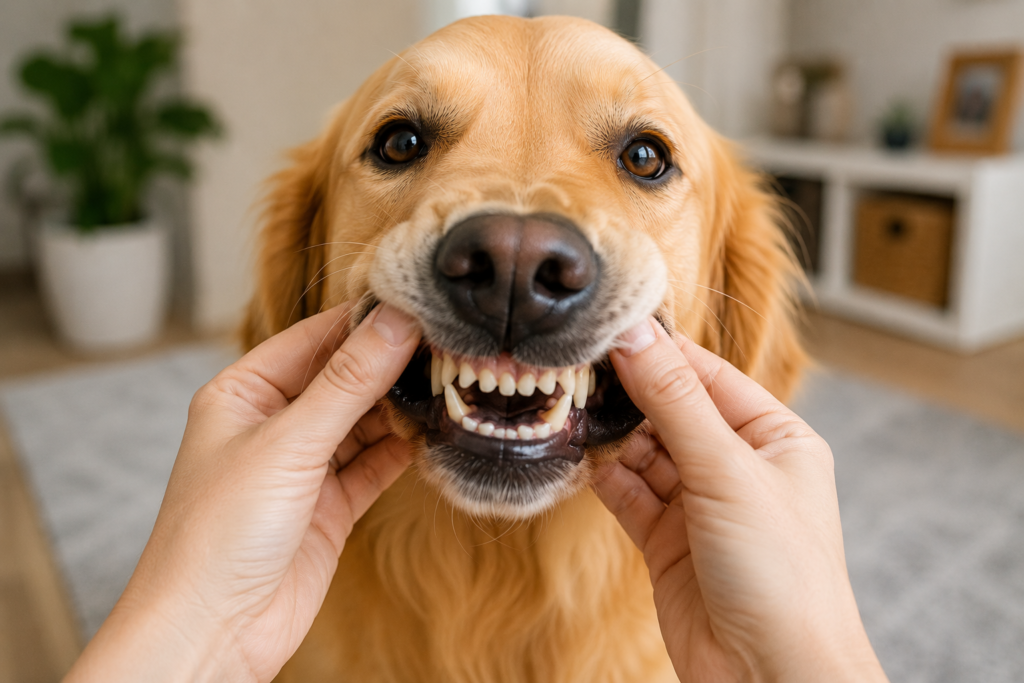
If you take a quick look at your dog’s teeth and notice yellow or brown buildup near the gums, dental disease is likely the culprit.
The older a dog gets, the more common this becomes.
Dogs Aren’t Exactly Picky Eaters
Of course, sometimes the explanation is much less complicated.
Many dogs happily eat things that most of us wouldn’t go anywhere near—garbage, old food, animal droppings, and whatever mystery treasure they find during a walk. If you’re unsure whether a food is safe for your dog, check out our guide on Can Dogs Eat Bananas?
If your dog’s bad breath appeared suddenly, think about whether they may have gotten into something they shouldn’t have.
Could It Be a Health Problem?
Most cases of bad breath are related to dental issues, but occasionally there can be another reason.
For example, unusually sweet-smelling breath can sometimes be linked to diabetes. Breath that smells like ammonia may be associated with kidney problems.
This doesn’t mean every dog with bad breath is sick. It simply means that a sudden change in odor shouldn’t be ignored, especially if your dog is also acting differently than usual. Paying attention to changes in your dog’s behavior can help you spot potential problems early.
What Can You Do About It?
The good news is that a few simple habits can make a big difference.
Brushing your dog’s teeth regularly is one of the best things you can do for their overall health. Dental chews can also help reduce plaque buildup between brushings.
Many owners are surprised by how much fresher their dog’s breath becomes after improving their dental routine.
Looking for the best products to support your dog’s dental health? Check out our guide to the Best Dog Toothbrushes and Dental Chews in 2026
When It’s Time To Call the Vet
If your dog has bad breath along with any of the following symptoms, it’s worth scheduling a veterinary checkup:
- Bleeding gums
- Difficulty eating
- Excessive drooling
- Loose teeth
- Swelling around the mouth
- Sudden changes in appetite
These signs may indicate something more serious than simple plaque buildup.
You might also enjoy reading Why Does My Dog Follow Me To The Bathroom?
Final Thoughts
A little dog breath is normal. Breath that makes you step back across the room probably isn’t.
In most cases, bad breath is your dog’s way of telling you that it’s time to pay closer attention to their dental health. A quick check of their teeth, regular brushing, and routine vet visits can go a long way toward keeping both your dog and your nose happy.