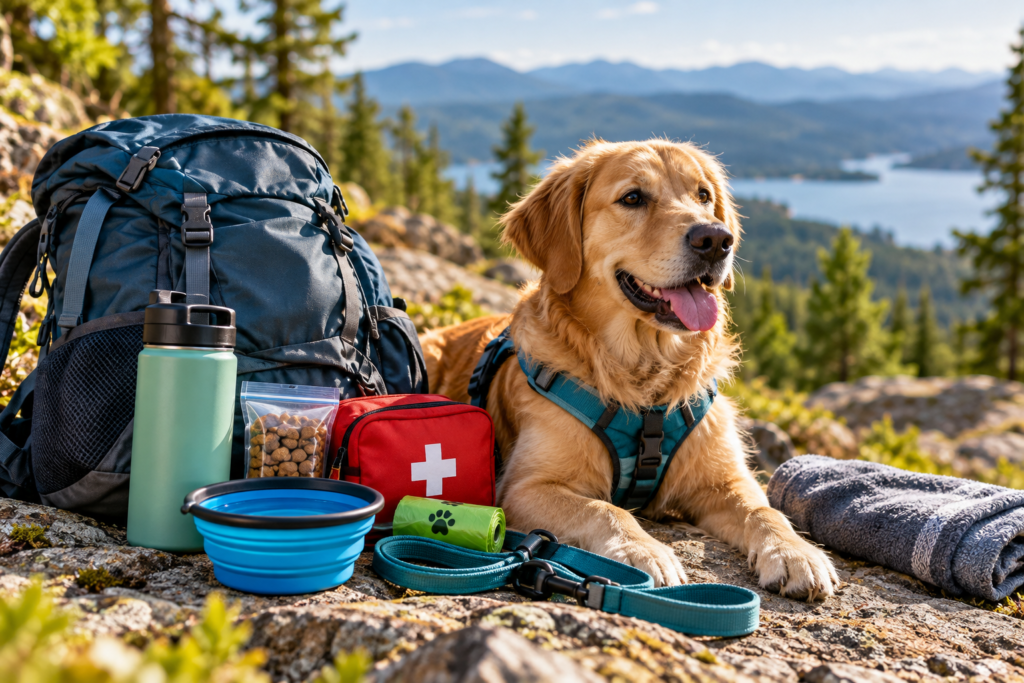
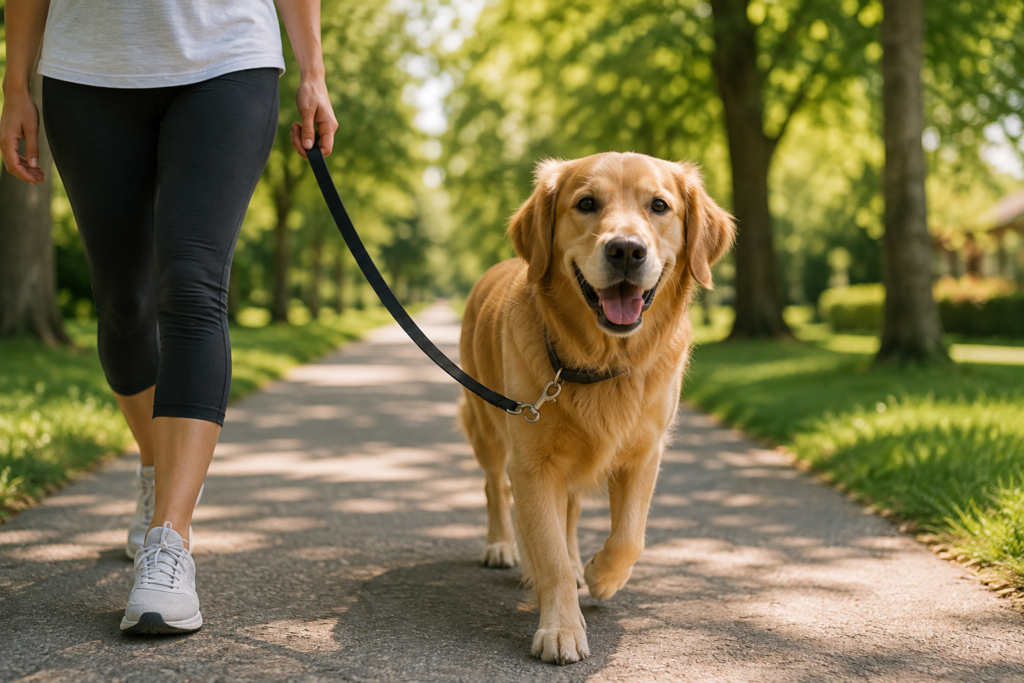
If you’re wondering how often should you walk your dog, the answer depends on your dog’s age, breed, health, energy level, and daily routine. Some dogs seem happy with a short stroll around the block, while others could spend hours exploring the outdoors.
The truth is that there isn’t one perfect answer for every dog. The ideal amount of exercise depends on your dog’s age, breed, health, and energy level.
Why Daily Walks Matter
Walking isn’t just about bathroom breaks.
Regular walks help:
- Maintain a healthy weight
- Reduce boredom
- Provide mental stimulation
- Improve socialization
- Strengthen the bond between you and your dog
For many dogs, walks are the highlight of the day.
How Often Should Adult Dogs Be Walked?
Most healthy adult dogs benefit from at least:
1–2 walks per day
30–60 minutes of total exercise
Some active breeds may need significantly more activity.
High-Energy Breeds Need More Exercise
Breeds such as:
- Border Collies
- Labrador Retrievers
- German Shepherds
- Australian Shepherds
often require longer walks and additional playtime to stay happy and healthy.
Without enough activity, these dogs may become bored and develop unwanted behaviors.
If your dog seems restless at home, check out our guide on Signs Your Dog Is Bored.
Puppies Have Different Needs
Puppies are full of energy but tire quickly.
Instead of one long walk, it’s usually better to provide:
- Short walks
- Play sessions
- Training activities
This helps avoid overexertion while supporting healthy development.
Senior Dogs May Prefer Shorter Walks
Older dogs still need exercise, but they often benefit from a slower pace.
Many senior dogs enjoy:
- Shorter walks
- Frequent breaks
- Gentle activity
Pay attention to your dog’s comfort level and adjust accordingly.
Weather Matters
Hot weather can make walks more challenging.
During summer:
- Walk early in the morning
- Walk later in the evening
- Avoid hot pavement
- Bring water
You may also find our guide to Best Cooling Products for Dogs in Summer 2026 helpful.
Signs Your Dog Needs More Exercise
Your dog may need more activity if they:
- Pace around the house
- Chew furniture
- Bark excessively
- Dig in the yard
- Seem restless
These behaviors can sometimes be linked to excess energy or boredom.
Can You Walk Your Dog Too Much?
Yes, especially for:
- Puppies
- Senior dogs
- Dogs with health conditions
Watch for signs of fatigue and always allow your dog time to rest and recover.
Frequently Asked Questions
Is one walk a day enough for a dog?
For some lower-energy or senior dogs, one longer walk combined with play and other activities may be enough. However, many dogs benefit from two or more opportunities to walk, explore, and exercise throughout the day.
How long should I walk my dog?
There is no single ideal length for every dog. Age, breed, health, fitness level, and weather all matter. Some dogs are satisfied with shorter walks, while active breeds may need longer walks and additional exercise.
Do dogs need to be walked every day?
Most healthy dogs benefit from daily physical activity and mental stimulation. Walks are also a chance to sniff, explore, and experience new surroundings. On days when a regular walk is not possible, indoor play and enrichment activities can help keep your dog active.
How often should senior dogs be walked?
Senior dogs often do better with shorter, gentler walks rather than one long outing. Adjust the pace and distance to your dog’s mobility, comfort, and overall health.
How do I know if I’m walking my dog too much?
Watch for excessive panting, slowing down, reluctance to continue, limping, stiffness, or unusual tiredness after exercise. If these signs occur regularly, reduce the intensity and discuss your dog’s exercise needs with your veterinarian.
Final Thoughts
Most dogs need daily walks to stay healthy, mentally stimulated, and happy. The right amount of exercise depends on the individual dog, but regular walks are one of the best things you can do for your pet.
A consistent walking routine can improve your dog’s physical health, reduce boredom, and strengthen the connection you share.
Disclaimer: This article is for general informational purposes only and is not a substitute for professional veterinary advice. Your dog’s exercise needs can vary based on age, breed, health, and individual fitness level.