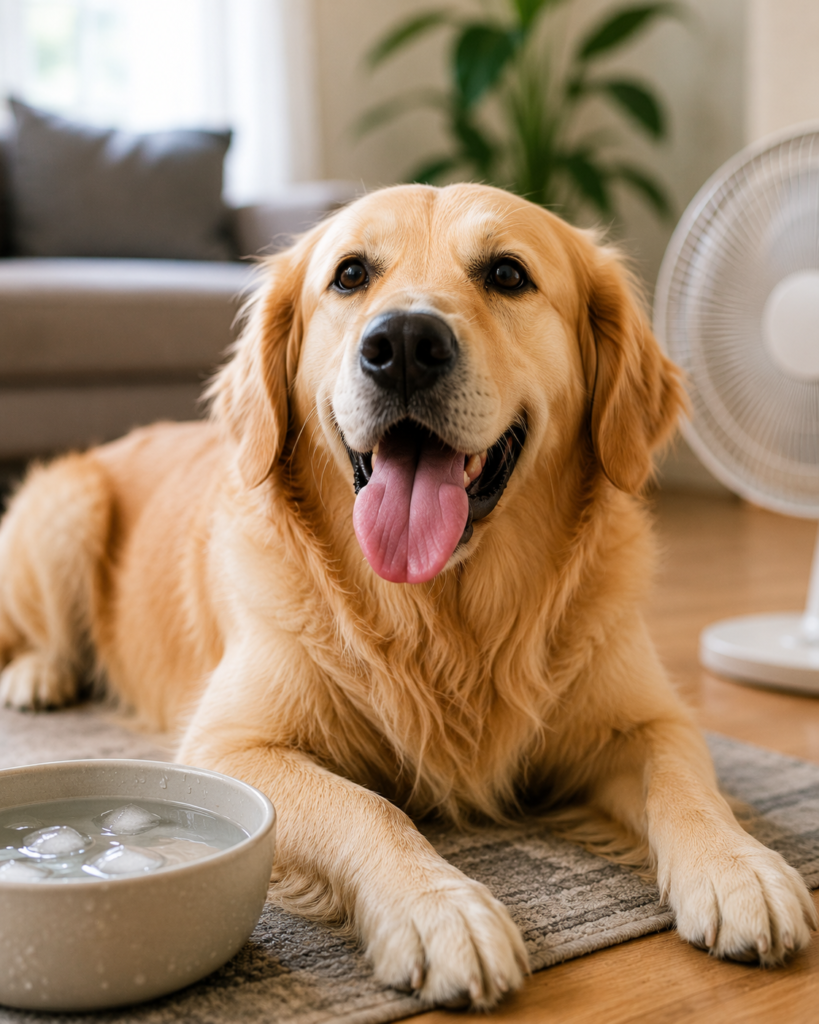
Panting is a normal part of a dog’s behavior, but sometimes it can leave owners wondering whether everything is okay. If you’ve noticed your dog breathing heavily with their tongue hanging out, you’re probably asking yourself: Why is my dog panting so much?
In most cases, panting is completely normal. However, there are times when excessive panting can signal that something needs attention.
Let’s look at the most common reasons dogs pant and when you should be concerned.
Dogs Pant to Cool Down
Unlike humans, dogs don’t sweat through most of their bodies.
Instead, they regulate their body temperature primarily through panting. As air moves across the tongue and respiratory system, it helps release heat and cool the body.
This is why you’ll often notice panting:
- After exercise
- During hot weather
- After playtime
- On warm walks
Heat and Hot Weather
One of the most common causes of panting is simply being too warm.
If your dog has been outside on a hot day, panting helps them cool off naturally.
To help your dog stay comfortable during summer:
- Provide plenty of fresh water
- Offer shade
- Avoid walking during the hottest part of the day
- Use cooling products when needed
You may also enjoy our guide to Best Cooling Products for Dogs in Summer 2026.
Exercise and Physical Activity
After running, playing, or going for a long walk, it’s completely normal for dogs to pant.
Just like people breathe harder after exercise, dogs use panting to recover and regulate their temperature.
Most healthy dogs return to normal breathing after resting for a short period.
Excitement and Happiness
Dogs don’t only pant when they’re hot.
Many dogs pant when they’re:
- Excited
- Happy
- Anticipating something fun
- Greeting their favorite person
You may notice your dog panting when you pick up the leash or arrive home from work.
Stress and Anxiety
Panting can also be linked to emotional stress.
Some dogs pant when they feel:
- Nervous
- Scared
- Overwhelmed
Common triggers include:
- Thunderstorms
- Fireworks
- Car rides
- Visits to the veterinarian
If panting occurs alongside pacing, whining, or trembling, anxiety may be the cause.
Pain or Discomfort
Sometimes panting can indicate that a dog is uncomfortable or in pain.
Watch for additional signs such as:
- Limping
- Restlessness
- Loss of appetite
- Unusual behavior
If panting appears suddenly and seems excessive, it’s worth contacting your veterinarian.
When Panting May Be a Medical Concern
While occasional panting is normal, seek veterinary advice if your dog:
- Pants excessively without exercise or heat
- Struggles to breathe
- Appears weak or lethargic
- Has pale or blue gums
- Suddenly starts panting much more than usual
These symptoms may indicate an underlying health issue that requires professional attention.
Helping Your Dog Stay Comfortable
Simple ways to reduce heat-related panting include:
- Fresh water at all times
- Cool resting areas
- Frozen dog treats
- Shorter walks during hot weather
- Cooling accessories
For a refreshing snack idea, check out our article on Homemade Dog Treats for Hot Summer Days.
Final Thoughts
Panting is usually a normal way for dogs to cool themselves down and regulate body temperature. Exercise, excitement, and warm weather are among the most common causes.
However, if your dog’s panting seems excessive, unusual, or is accompanied by other symptoms, it’s always best to consult your veterinarian.
Understanding why dogs pant can help you keep your furry friend comfortable, healthy, and safe throughout the year.